Updated August 2026
Hezbollah: The Iranian Regime’s Terror Proxy in Lebanon
- Overview
- Hezbollah’s Threat to Israel
- Resolution 1701 and the Failure of Enforcement
- Hezbollah’s Use of Civilian Infrastructure
- Hezbollah After October 7
- The Drone Threat
- Operation Roaring Lion and IDF Operations in Lebanon
- Hezbollah and the Iranian Regime
- The Impact on Lebanon
- The Threat Posed by Hezbollah
Overview
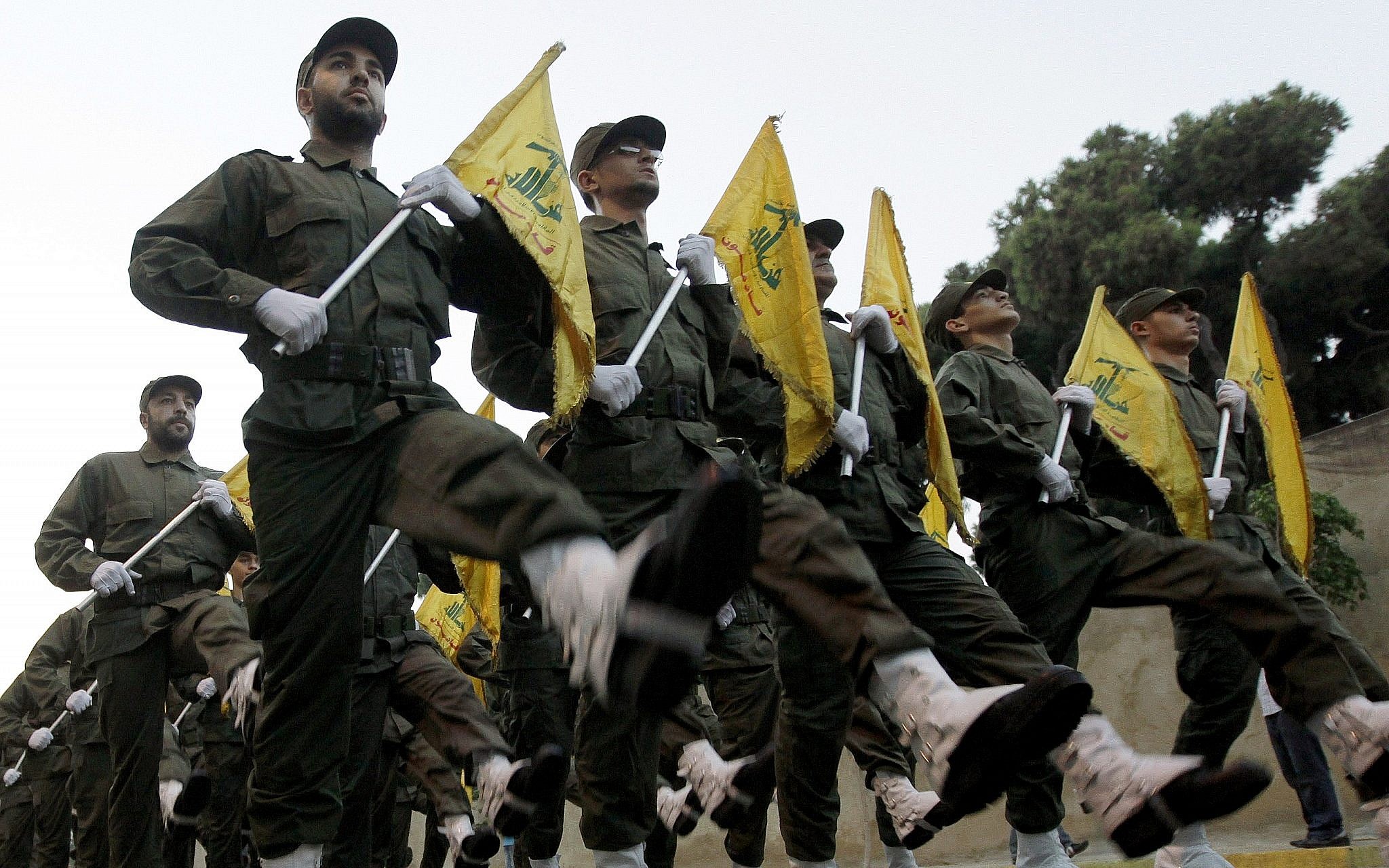
Founded in the early 1980s with direct support from the Iranian regime, Hezbollah is a Shi’ite Islamist terrorist organization based in Lebanon.
Backed financially, militarily and ideologically by the Islamic Revolutionary Guard Corps (IRGC), Hezbollah was established as part of Iran’s broader effort to export its revolutionary ideology and expand Iranian influence across the Middle East.
Over decades, Hezbollah transformed itself into a massive military and political force operating inside Lebanon while simultaneously functioning as the Iranian regime’s primary regional terror proxy against the State of Israel.
Today, Hezbollah possesses an extensive arsenal of rockets, missiles, drones, anti-tank weaponry and terror infrastructure embedded throughout southern Lebanon and beyond.
Hezbollah's Threat to Israel
For years, Hezbollah systematically positioned military infrastructure directly alongside Israeli civilian communities in northern Israel.
The organization built attack infrastructure, rocket launch positions, weapons depots, observation posts and tunnel systems within villages and civilian population centers across southern Lebanon.
Hezbollah’s elite “Radwan Force” was specifically trained for cross-border infiltration operations targeting Israeli civilian communities near the northern border. The “Conquer the Galilee Plan”, exposed by Israeli intelligence in 2024, detailed a mass casualty, Hamas-style invasion of northern Israel–including the murdering and kidnapping of Israeli civilians and soldiers alike.
No sovereign nation would accept an internationally recognized terrorist organization positioned directly along its border with the stated objective of carrying out attacks against its civilian population.
Resolution 1701 and the Failure of Enforcement
Following the 2006 Lebanon War, the United Nations Security Council passed Resolution 1701, which explicitly called for the disarmament of Hezbollah and prohibited any armed Hezbollah presence south of the Litani River.
The resolution expanded the mandate of UNIFIL, the United Nations Interim Force and Lebanon, meant to monitor if parties in southern Lebanon were abiding by the resolution, and reinforced the responsibility of the Lebanese state to prevent Hezbollah from rebuilding military infrastructure in southern Lebanon.
In practice, however, Resolution 1701 was never properly enforced.
Neither the Lebanese government nor UNIFIL succeeded in preventing Hezbollah from rebuilding and massively expanding its military presence throughout southern Lebanon. Over nearly two decades, Hezbollah entrenched itself deeper within civilian areas, constructed terror infrastructure near Israeli communities, and accumulated one of the world’s largest rocket arsenals.
Any Hezbollah presence, infrastructure, or weapons south of the Litani River constitutes a direct violation of international understandings that were repeatedly ignored for years.

Hezbollah’s Use of Civilian Infrastructure
Hezbollah systematically embedded military infrastructure within civilian areas throughout Lebanon.
Weapons stockpiles, command centers, rocket launchers, and operational compounds were positioned inside homes, schools, mosques, churches, ambulances and civilian buildings.
During recent operations in southern Lebanon, IDF soldiers uncovered:
-
A large cache of weapons hidden inside a school in the area of Al-Khiyam
-
An over 200-meter terror tunnel under Majdal Zoun containing hundreds of weapons and four launch shafts aimed at Israel
-
A weapons cache hidden inside an ambulance in the Qantara area
These findings reflected Hezbollah’s longstanding strategy of embedding military operations within civilian infrastructure while exploiting the Lebanese civilian population as operational cover.
Under international law, civilian sites used for military purposes lose protected civilian status and may become lawful military targets.
Hezbollah After October 7
Less than 24 hours after Hamas’ October 7 Massacre, Hezbollah opened a second front against Israel from Lebanon, joining the Iranian-backed campaign to overwhelm Israel on multiple borders. Hezbollah’s attacks were not isolated incidents. They formed part of a coordinated regional effort by the Iranian regime’s proxies to stretch Israeli defenses, displace Israeli civilians, and place sustained pressure on Israel while Hamas continued its war from Gaza.
From October 8, 2023, Hezbollah launched rockets, anti-tank missiles, explosive drones and other attacks toward northern Israel. These attacks forced tens of thousands of Israeli civilians from their homes and turned communities along the northern border into an active war zone.
Throughout 2023 and 2024, the IDF carried out extensive operations to degrade Hezbollah’s capabilities, eliminate commanders, dismantle infrastructure, and push the threat away from northern communities. Hezbollah’s Radwan Force became a central target of IDF operations.
In September 2024, Hezbollah suffered one of its most significant intelligence and operational blows when thousands of pagers and walkie-talkies used by Hezbollah operatives exploded across Lebanon and Syria, severely disrupting the organization’s command and control systems.
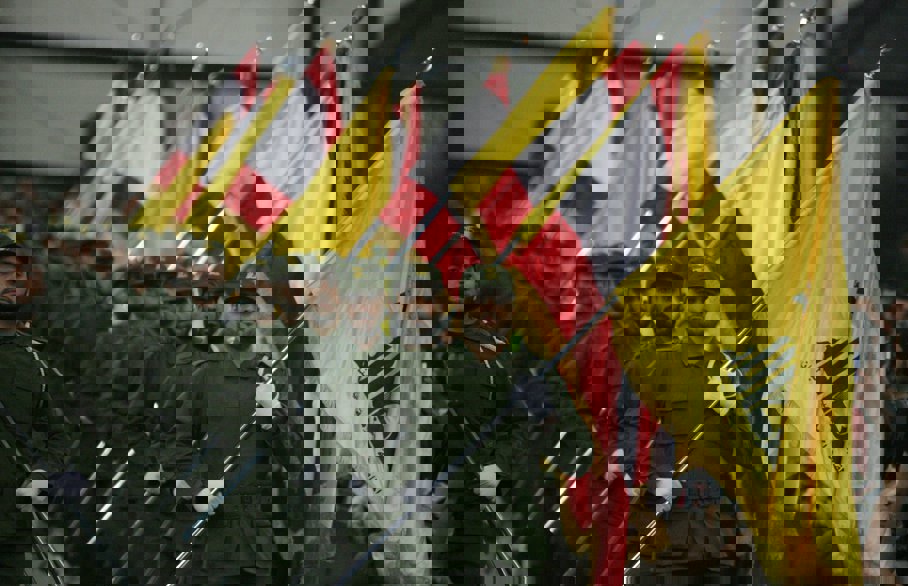
Days later, Israel escalated its campaign against Hezbollah’s senior command. On September 27, 2024, Hassan Nasrallah, Hezbollah’s longtime leader, was killed in an IDF strike on Hezbollah’s underground headquarters in Beirut’s Dahieh district. Senior Hezbollah and IRGC figures were also killed in the strike.
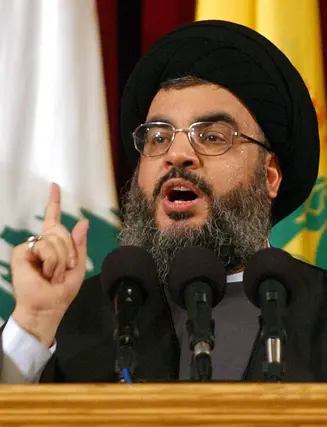
Former Hezbollah Leader, Hassan Nasrallah
By the time the ceasefire took effect on November 27, 2024, Hezbollah had been severely weakened, but not disarmed. Its continued presence south of the Litani River remained a direct violation of Resolution 1701 and a continuing threat to Israeli civilians.
Since then, Hezbollah continued to violate the understandings, including through armed operatives approaching IDF soldiers, anti-tank fire, explosive drones, rocket launch activity and attacks that repeatedly forced civilians in northern Israel into shelters. The IDF continues to operate in the Security Zone for one purpose: to prevent Hezbollah from rebuilding the threat that Resolution 1701 was supposed to remove nearly two decades ago.
In accordance with the recent Israel-Lebanon agreement, a pilot program has been deployed in two areas near and inside the Security Zone to allow the transferring of operational control to the LAF and further degrade Hezbollah’s ability to plan and advance terror attacks against Israeli civilians.
IDF troops remain positioned in the Security Zone as a protective barrier between Israeli civilians and Hezbollah terrorists, continuing to operate in the area in accordance with the ceasefire agreement to remove threats, degrade Hezbollah’s terrorist capabilities, and dismantle their infrastructure.
The Drone Threat
Hezbollah’s growing use of explosive drones became a major operational challenge throughout the conflict.
The organization increasingly relied on inexpensive self-detonating drones aimed at Israeli civilians, military positions, and infrastructure near the northern border.
On May 14, 2026, an explosive drone launched by Hezbollah struck near the Israel-Lebanon border, injuring multiple Israeli civilians.
In response, the IDF established specialized divisions and intelligence teams focused specifically on countering Hezbollah’s drone capabilities. New technologies and defensive systems were rapidly developed and deployed throughout northern Israel and southern Lebanon.
As part of these efforts, the IDF supplied troops with extensive wire-mesh defensive systems designed to intercept and neutralize explosive drones.
Operation Roaring Lion and IDF Operations in Lebanon
On March 2, 2026, during Operation Roaring Lion, Hezbollah significantly escalated its involvement in the Iranian regime-led war effort against Israel by launching thousands of projectiles indiscriminately toward Israeli civilian communities.
Simultaneously, Hezbollah deployed approximately 1,000 Radwan Force operatives to the northern border area, where they carried out infiltration attempts, anti-tank attacks and preparations for raids into Israeli communities.
Since Operation Roaring Lion commenced, Hezbollah launched approximately 4,100 projectiles toward Israeli territory, repeatedly forcing Israeli civilians into shelters and severely disrupting daily life across northern Israel.
Israeli troops have carried out extensive operations targeting Hezbollah’s military infrastructure throughout Lebanon.
More than 4,300 terror infrastructure targets were dismantled and at least 1,900 Hezbollah operatives were eliminated during the operation.
IDF operations focused on:
- Dismantling Hezbollah’s military infrastructure
- Neutralizing launch sites and weapons stockpiles
- Preventing cross-border infiltration attacks
- Pushing Hezbollah’s operational capabilities farther away from Israeli civilian communities
- Enforcing the conditions that Resolution 1701 failed to enforce for nearly two decades
Operations also targeted Hezbollah’s financial and logistical networks used to sustain its military activities throughout Lebanon.
Senior Hezbollah operatives were eliminated during the campaign, including Ahmed Ali Balout, commander within Hezbollah’s elite Radwan Force, who was killed in a precise strike in Beirut’s Dahieh district.
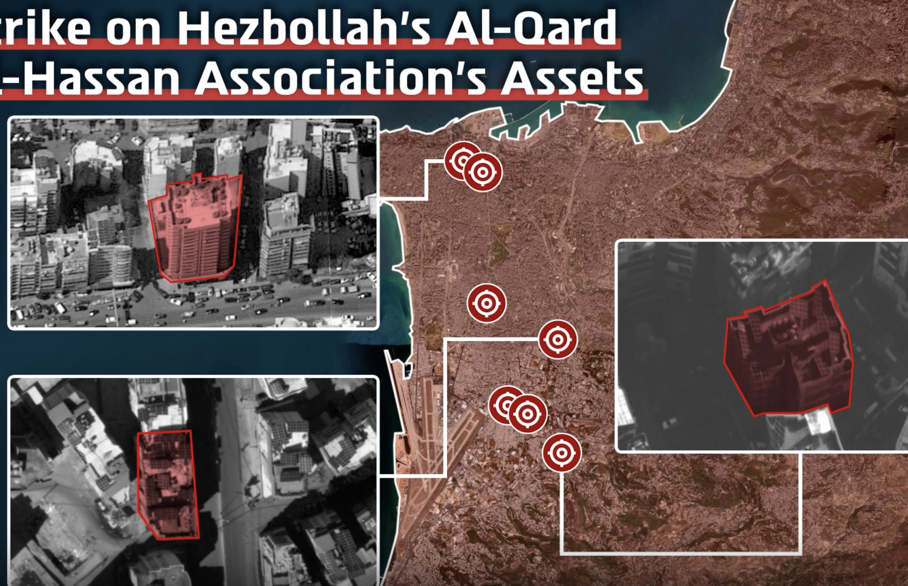
Hezbollah and the Iranian Regime
Hezbollah serves as the Iranian regime’s primary regional proxy and one of the central pillars of its broader strategy against Israel.
The Iranian regime has spent decades funding, arming, and training Hezbollah while using the organization as a forward military force positioned directly on Israel’s northern border.
Hezbollah forms part of its larger regional network that includes Hamas, Palestinian Islamic Jihad, Shi’ite militias in Iraq and Syria and the Houthis in Yemen.
Through Hezbollah, the Iranian regime sought to create a heavily armed frontline force capable of threatening Israeli civilians, overwhelming Israeli defenses and destabilizing the region.
The Impact on Lebanon
For decades, Hezbollah’s military entrenchment severely destabilized Lebanon politically, economically, and socially.
While Lebanon experienced financial collapse, political paralysis, and humanitarian crises, Hezbollah continued investing heavily in military expansion and regional conflict.
The organization exploited the country’s economic weakness to deepen civilian dependency while maintaining an independent armed structure operating outside the control of the Lebanese state.
Hezbollah’s military strategy repeatedly placed Lebanese civilians at risk by embedding terror infrastructure inside civilian communities and drawing conflict into densely populated areas.
The Threat Posed by Hezbollah
Hezbollah remains one of the most heavily armed and dangerous terrorist organizations in the world.
Its massive rocket arsenal, advanced drone capabilities, elite infiltration forces, Iranian backing and systematic use of civilian infrastructure pose a direct threat to Israeli civilians and regional stability.
For years, Hezbollah violated international agreements while building military infrastructure directly adjacent to Israeli communities without meaningful international enforcement.
The organization’s actions transformed southern Lebanon into a heavily militarized frontline controlled not by the Lebanese state, but by an Iranian-backed terrorist organization committed to armed conflict against Israel.