How Does Hezbollah Use UNIFIL Positions and the Lebanese Army As Cover?
Hezbollah exploits the Lebanese Armed Forces and UNIFIL positions as shields, embedding its operations near army posts and UN patrols to safely build military infrastructure, endanger civilians and soldiers, and deter Israeli strikes, while both institutions largely fail to enforce restrictions on its activity.
 01.02.26
 0
0
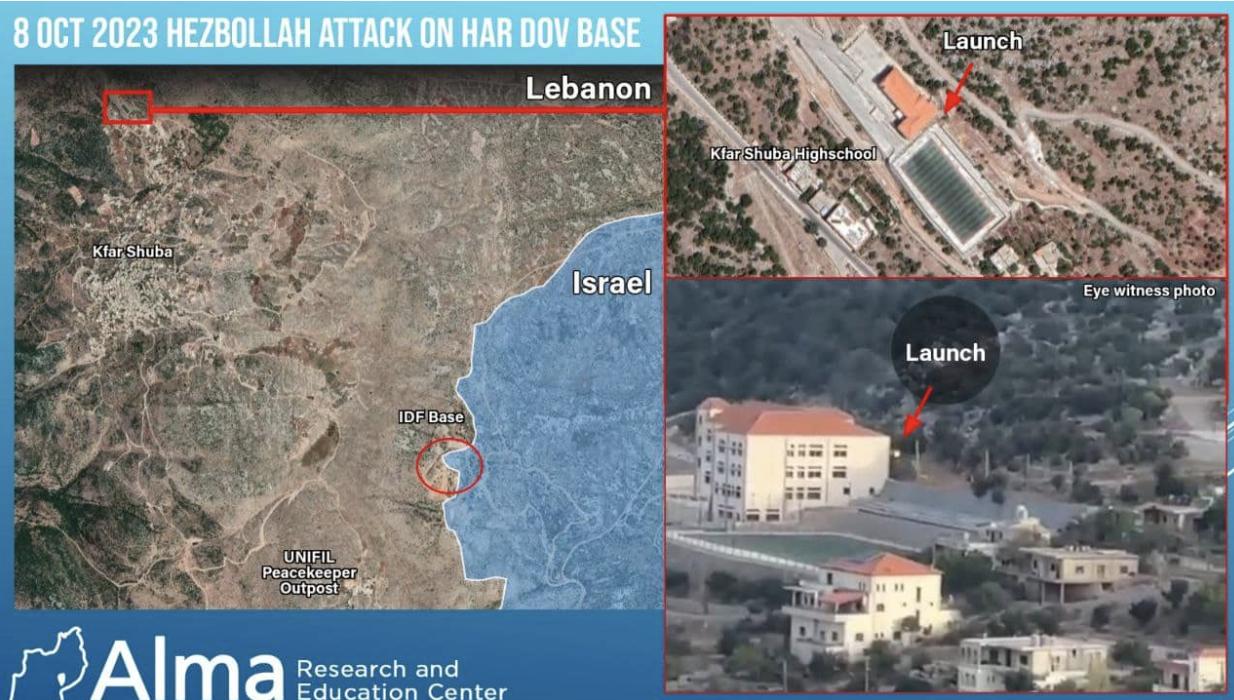
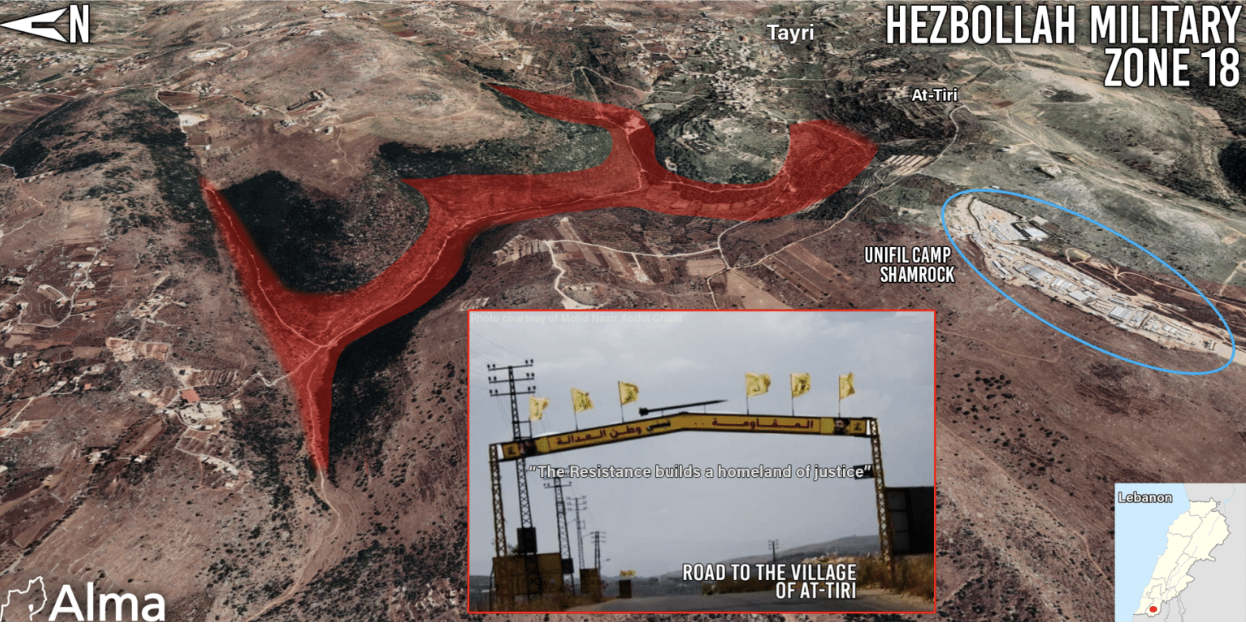
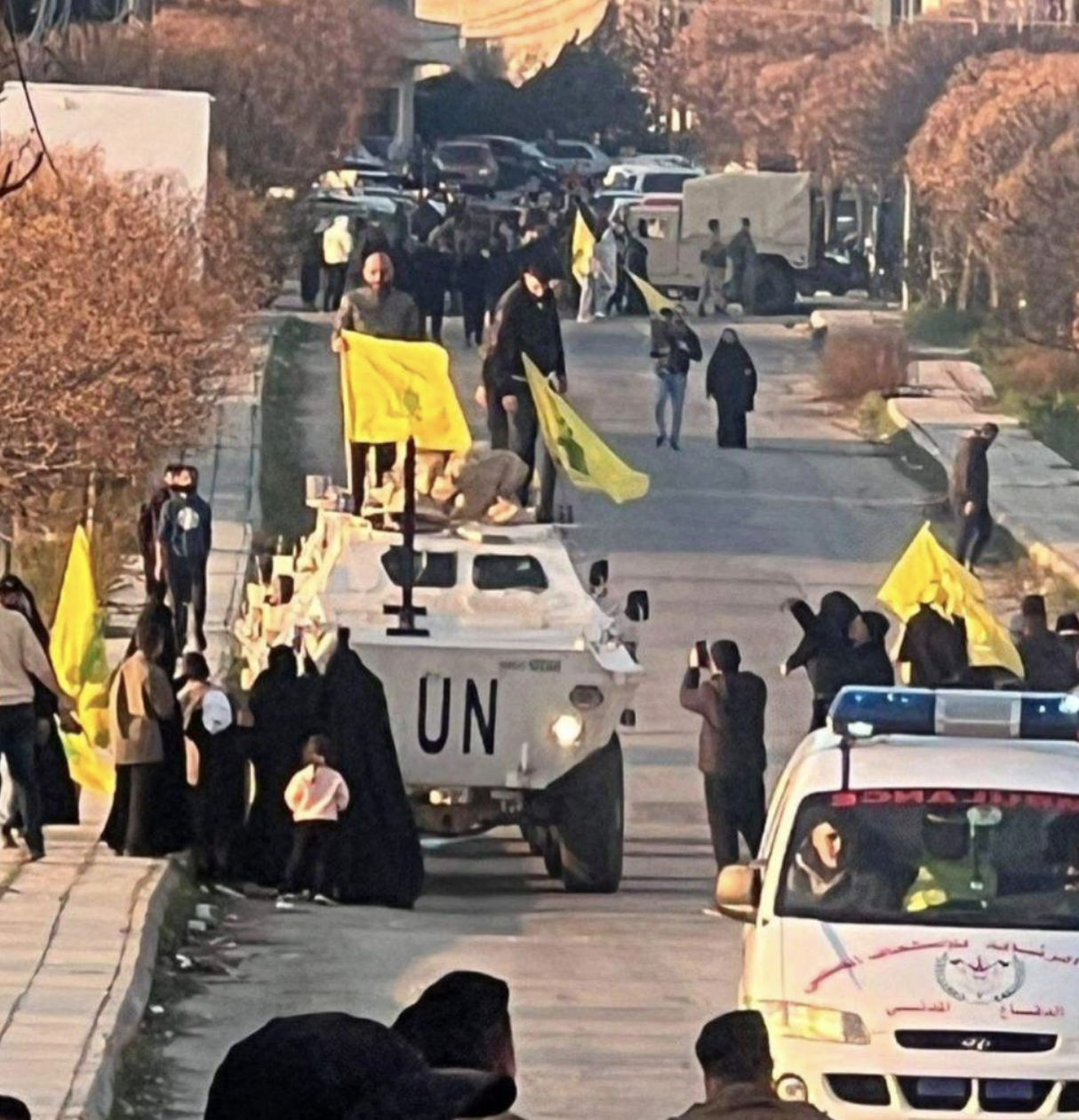
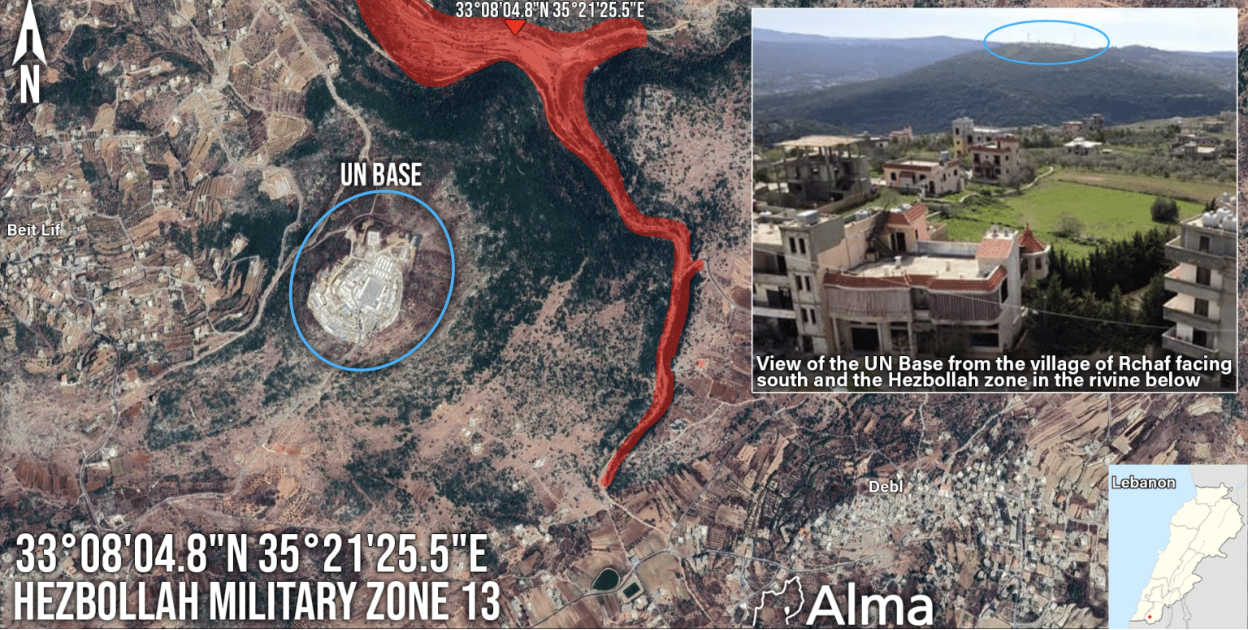
Hezbollah has long leveraged the Lebanese Armed Forces and UNIFIL to shield its terror operations against Israel. By disguising itself within legitimate organizations, such as positioning itself near LAF bases and conducting surveillance from UNIFIL towers, the Iran-backed terror organization seeks to make sure its military activity deter Israeli responses.
Hezbollah’s terror and psychological warfare deliberately exploits and endangers civilians and military personnel in an attempt to shield itself behind international pressure against any intervention.
While UNIFIL is mandated under U.N. Resolution 1701 to maintain a weapons-free zone in southern Lebanon, it has consistently failed to prevent Hezbollah’s buildup. More shockingly, there have been numerous incidents of the LAF allowing Hezbollah to use personnel, equipment, and infrastructure to advance its military agenda. This collaboration allows Hezbollah to operate freely along Israel’s border within close proximity of Israel’s northern communities.
Hezbollah positions its operations near Lebanese Army posts and UNIFIL positions, effectively using them as human shields to reduce the likelihood of Israeli strikes directly on Hezbollah forces in the area. Many LAF soldiers and officers, particularly from the Shiite community, support or cooperate with Hezbollah, allowing Hezbollah access to army facilities, vehicles, and equipment with the consent of those personnel.
For example, during a December 2023 incident in the Tel Aweida area, LAF soldiers were wounded and one was killed when fighting occurred in a zone where Hezbollah was active, showing how the group’s proximity to the army’s positions puts those soldiers at risk. This practice of operating in and around civilian areas is a tactic to generate international pressure against Israel, hiding behind the protections granted towards civilians to commit terror.
On the UNIFIL side, the peacekeeping force has been ineffective at enforcing its mandate under UN Security Council Resolution 1701 to keep southern Lebanon free of armed non-state actors. UNIFIL has often failed to prevent Hezbollah from fortifying positions, restricting movement, or hiding weapons in civilian areas and near UN patrols without meaningful pushback. This has allowed Hezbollah to rebuild and maintain infrastructure close to the border with Israel despite the current ceasefire and understandings.
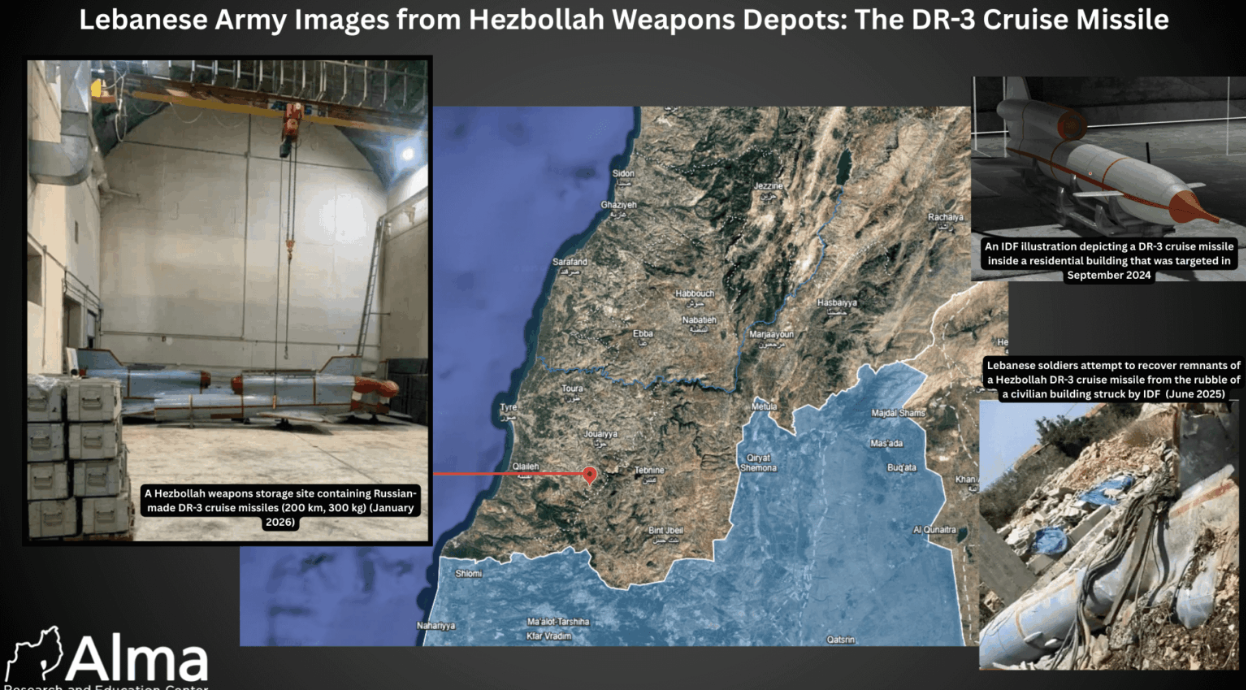
Additionally, these photos released by the Lebanese Army reveal that Hezbollah’s weapons depots, including advanced systems such as disassembled DR-3 cruise missiles, were stored south of the Litani River.