Last Updated July 2026
Hamas: Terror Infrastructure, October 7 Massacre and the Threat to Israel
- Hamas' Establishment
- Hamas' Charter
- Hamas and the October 7 Massacre
- Hostages Kidnapped by Hamas in 2023
- Hamas and Gaza: Critical Background
- The Militarization of Gaza
- Tunnel Network
- Use of Human Shields
- Rocket Attacks Against Civilians
- The Theft and Exploitation of Humanitarian Aid
- Hamas' Brutality Against Its Own Civilians
- Hamas and Regional Terror Networks
- The Threat Posed by Hamas
Hamas’ Establishment
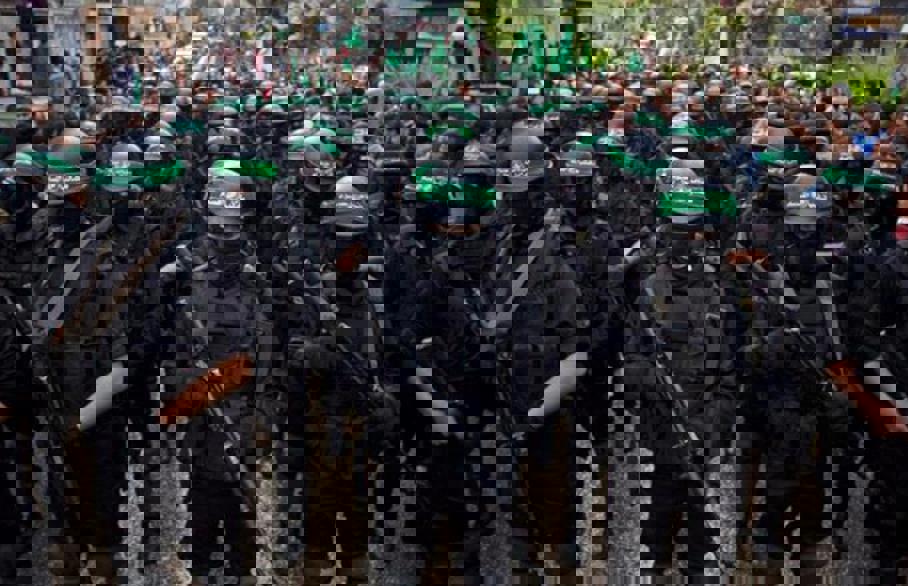
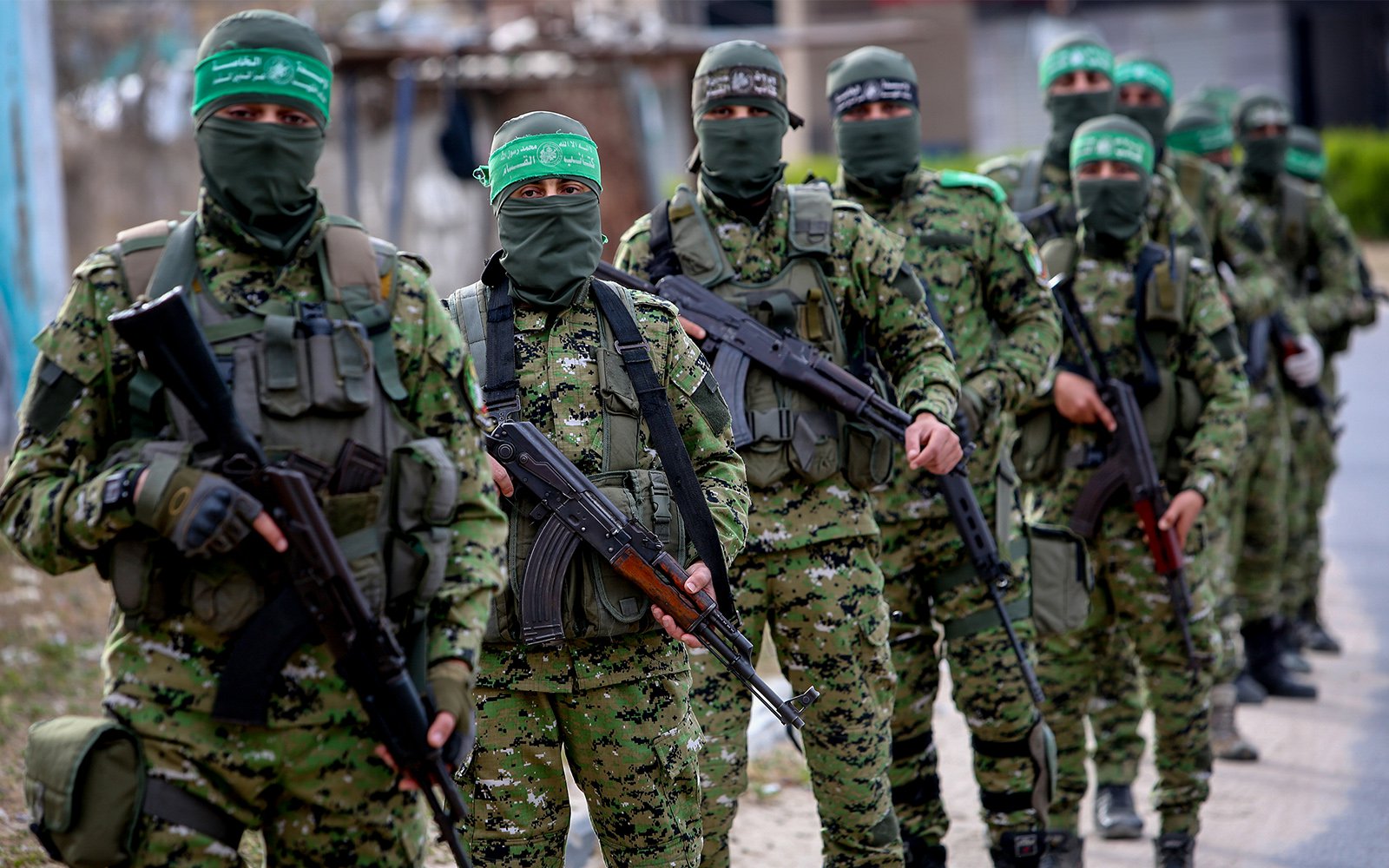
Hamas is an Islamist terrorist organization that openly calls for the destruction of the State of Israel. Hamas was founded in 1987 by Sheikh Yassin as part of an effort to integrate the Muslim Brotherhood in Gaza. The organization was founded in the wake of the First Intifada, relying on an extremist, anti-Western, anti-Israel charter that supported Jihad. The principles of the charter emphasize that Hamas was, ideologically, an Islamic revivalist movement with a mission to wage Jihad “until the enemy is vanquished and Allah's victory is realized”. This ideology continued to intensify, prompting the United States to officially designate the organization and its leaders as terrorists in 1997.
After the Israeli Disengagement in 2005, Hamas forcibly seized control of Gaza from the Palestinian Authority in 2007 in a violent takeover and has since transformed Gaza into a heavily militarized terror enclave centered around armed conflict, terrorism, and the systematic targeting of Israeli civilians with rockets.
Supported financially and militarily by the Iranian regime, Hamas has spent years building military infrastructure throughout Gaza while embedding itself within civilian areas and institutions. Rather than investing in long-term civilian development, Hamas prioritized rockets, tunnels, weapons production, and preparations for future attacks against Israel.
Hamas’ Charter
The Hamas charter, written in 1988, serves as the foundational document encapsulating the movement's extremist ideology, which has remained consistent throughout its 18-year existence. It is rooted in a radical Islamic and jihadist worldview and heavily based on the Egyptian Muslim Brotherhood.
According to the charter, Hamas aims to "establish the sovereignty of Allah over the entire land of Palestine." Hamas is characterized by its resolute refusal to engage in negotiations or make concessions with Israel, maintaining that the only resolution to the Palestinian issue is through Jihadism (utilizing violent confrontation to create change).
Hamas’ charter refers to the "problem of Palestine" as a religious-political Muslim issue and frames the Israeli-Palestinian conflict as a clash between Islam and the "infidel" Jews. "Palestine" is deemed sacred Islamic land, and yielding even an inch of it is strictly forbidden, as no one, including Arab-Muslim leaders, holds the authority to do so. In terms of international relations, the charter espouses an extremist worldview that aligns with the anti-Western sentiments seen in groups like Al-Qaeda, ISIS, the Taliban and other terrorist organizations.
This perspective results in an absolute refusal to acknowledge Israel's right to exist as an independent, sovereign nation, alongside a commitment to massacre all Jewish people and discriminate against other minority groups. Hamas’ charter opens with a quote attributed to Hassan Al-Bana, one of the founders of the Muslim Brotherhood, stating that "Israel will arise and continue to exist until Islam wipes it out, as it wiped out what went before."
Recently Published About Hamas




Hamas and the October 7 Massacre
On October 7, 2023, Hamas carried out the deadliest terrorist attack in Israel’s history.
Thousands of Hamas terrorists infiltrated Israeli territory by land, air, and sea while simultaneously launching massive rocket barrages toward Israeli civilian population centers. Hamas terrorists attacked homes, roads, military bases, and communities across southern Israel, carrying out mass murder, torture, sexual violence, executions, and kidnappings.
Entire families were murdered inside their homes. Civilians were attacked while attempting to flee or hide in shelters. Children, elderly civilians, foreign nationals, and Holocaust survivors were among those targeted. At the end of this terrible day, more than 1,200 people were dead.
The attack also included the massacre at the Nova Music Festival, where hundreds of civilians were murdered or abducted.
October 7th was not a spontaneous assault. It was the culmination of years of Hamas military planning, weapons stockpiling, tunnel construction, training, and ideological indoctrination.
This assault sparked Israel’s War on Hamas. When Hezbollah joined the attack on Israel on October 8th, the war expanded to the Northern arena, before eventually expanding to include Iran as well.
To learn more about those specific wars, please view:
Israel War on Hamas - 2023-2026
Operation Guardian of the Walls - 2021
Operation Protective Edge - 2014
Operation Cast Lead - 2009
Hostages Kidnapped by Hamas in 2023
During the October 7 Massacre, Hamas abducted 251 civilians and soldiers into Gaza, taking hostages that included children, women, elderly civilians, and foreign nationals.
Hostages were held inside underground tunnel systems, residential buildings, hospitals, and other civilian infrastructure throughout Gaza. Hamas repeatedly used hostage videos, staged propaganda releases, executions, and public threats as tools of psychological warfare and political leverage.
The continued holding of hostages became one of the defining elements of the conflict and remains a major violation of international law.
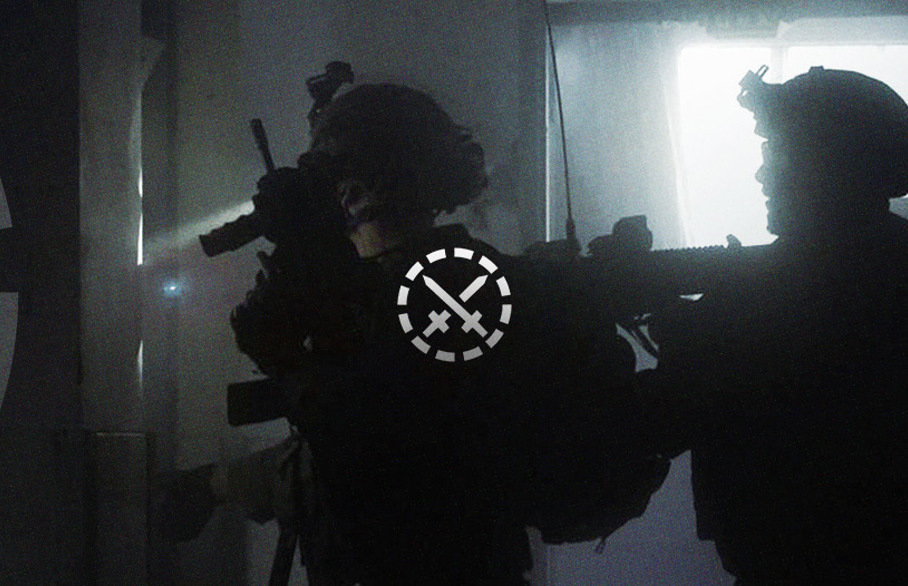
After October 7, Israel conducted extensive intelligence, special operations, and military efforts aimed at locating and returning the hostages. These operations included targeted raids, precision strikes against Hamas infrastructure connected to hostage captivity, cooperation between the IDF, ISA, and international partners, as well as negotiated hostage release frameworks mediated by foreign governments. Several hostages were rescued alive in complex military operations conducted deep inside Gaza, while others were returned through temporary ceasefire agreements and exchanges.
The return of all hostages became one of Israel’s central war objectives throughout the conflict. Israeli officials repeatedly stated that operations in Gaza would continue alongside diplomatic efforts until every hostage — both living and deceased — was returned home.
Hamas and the Gaza Strip: Critical Background
The Militarization of Gaza
Over nearly two decades of Hamas rule, Gaza was systematically transformed into an integrated terror infrastructure embedded within civilian society.
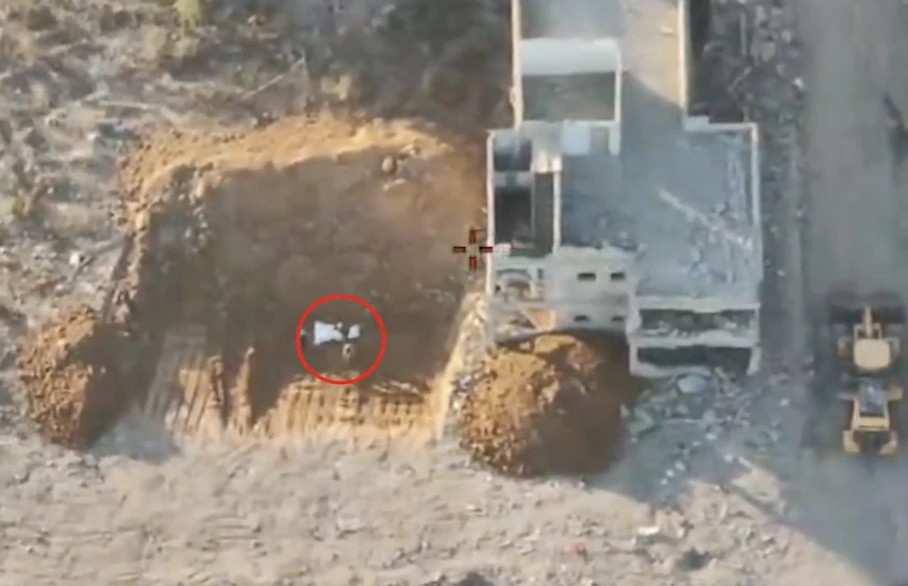
Weapons depots, command centers, rocket launch sites, and military compounds were positioned inside or beneath residential neighborhoods, schools, mosques, hospitals, and civilian buildings.
Rather than using international aid and reconstruction materials to improve civilian infrastructure, Hamas invested heavily in military fortifications, weapons production, tunnel systems, and operational capabilities directed against Israel.
This strategy turned large portions of Gaza into a deeply entrenched military apparatus operating from within densely populated civilian areas.
Tunnel Network
One of Hamas’s most significant military projects has been its vast underground tunnel network, often referred to as the “Metro.”
Over many years, Hamas constructed hundreds of kilometers of tunnels used for weapons storage, command and control, operational movement, smuggling, hostage detention, and infiltration attempts into Israeli territory.
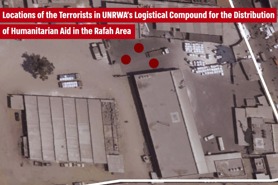
Tunnel shafts and underground facilities were repeatedly discovered beneath homes, schools, mosques, hospitals, and humanitarian infrastructure.
The tunnel network allowed Hamas operatives to move throughout Gaza while embedding military activity beneath civilian areas.
Use of Human Shields
Hamas has consistently embedded military infrastructure within civilian populations and civilian infrastructure.
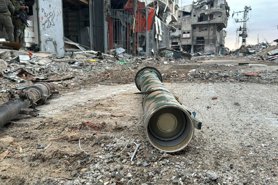
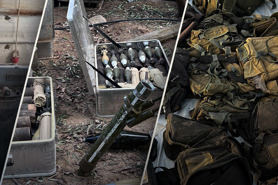
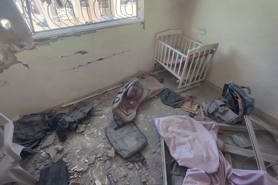
Rocket launchers were positioned near homes, schools, and hospitals. Weapons storage sites and command centers were located within urban neighborhoods and civilian compounds. Hamas operatives frequently operated from areas densely populated with civilians.
This strategy complicated military operations, increased the danger to civilians during conflict and is illegal according to the Laws of Armed Combat.
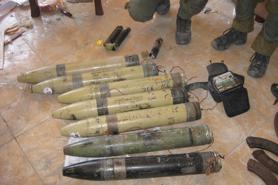
The use of civilian infrastructure for military purposes has been repeatedly documented throughout multiple rounds of fighting between Hamas and Israel.

Rocket Attacks Against Civilians
For years, Hamas and allied terrorist organizations in Gaza launched rockets indiscriminately toward Israeli civilian population centers.
These attacks targeted cities, towns, schools, hospitals, and civilian infrastructure throughout Israel. Millions of Israeli civilians were repeatedly forced into shelters and protected spaces due to rocket fire originating from Gaza.
Hamas’ military strategy centered on deliberately targeting civilians while operating its own military infrastructure from within civilian environments.
The Theft and Exploitation of Humanitarian Aid
Hamas has repeatedly been accused of diverting humanitarian aid and civilian resources for terrorist purposes. For example:
- In 2024, intercepted communications between Hamas operatives revealed that the terrorist organization was robbing fuel from hospitals in Gaza to use for their own activities.
- In 2025, several videos were released showing Hamas looting trucks carrying humanitarian aid for Gaza’s civilians: On June 11, 2025, Hamas terrorists hijacked a bus and murdered multiple humanitarian aid workers. Several weeks later, terrorists threw grenades at an aid distribution center while workers and civilians were still present inside.
- More videos were then released of Hamas operatives eating looted humanitarian aid from the safety of their underground terror tunnels.
Construction materials intended for civilian reconstruction were used by Hamas for tunnel systems and military fortifications. Fuel, international financial aid, and humanitarian supplies were seized and redirected by Hamas operatives.
While the civilian population of Gaza faced severe humanitarian hardship, Hamas continued investing heavily in weapons production, tunnel construction, and military operations.
This exploitation of aid became a central criticism of Hamas governance throughout its control of Gaza.
Hamas’ Brutality Against Its Own Civilians
Beyond its attacks against Israel, Hamas has repeatedly demonstrated brutality toward Gazans living under its rule in Gaza. Hamas has used violence, intimidation, and internal repression to maintain control over the population, including public executions, beatings, shootings, and the punishment of civilians accused of opposing the organization or violating its authority.
Hamas’ “Arrow Unit” is an internal enforcement mechanism used to suppress dissent, target civilians accused of looting or collaboration, and intimidate the population through public displays of violence.
Human rights organizations and international reporting have additionally documented cases of Hamas and affiliated armed groups carrying out extrajudicial killings, torture, and punishment of Palestinians accused of collaborating with Israel or opposing Hamas rule.
Hamas and Regional Terror Networks
Hamas forms part of a broader regional network of Iranian-backed terrorist organizations operating across the Middle East.
The organization has received funding, weapons, training, and operational support from the Iranian regime and maintains ties with Hezbollah and other Iranian-backed groups throughout the region.
Through these alliances, Hamas became part of a wider regional strategy aimed at surrounding Israel with armed terrorist organizations and expanding Iranian influence across the Middle East.
The Threat Posed by Hamas
Hamas represents not only a direct security threat to Israel, but also a major source of instability for the broader region.
Its deliberate targeting of civilians, use of hostages, militarization of civilian areas, exploitation of humanitarian infrastructure, and integration into Iran’s regional terror network have made it one of the most dangerous terrorist organizations operating in the Middle East today.
The October 7th Massacre demonstrated the scale of violence Hamas was willing to carry out and fundamentally reshaped the security reality for Israel and the region.