
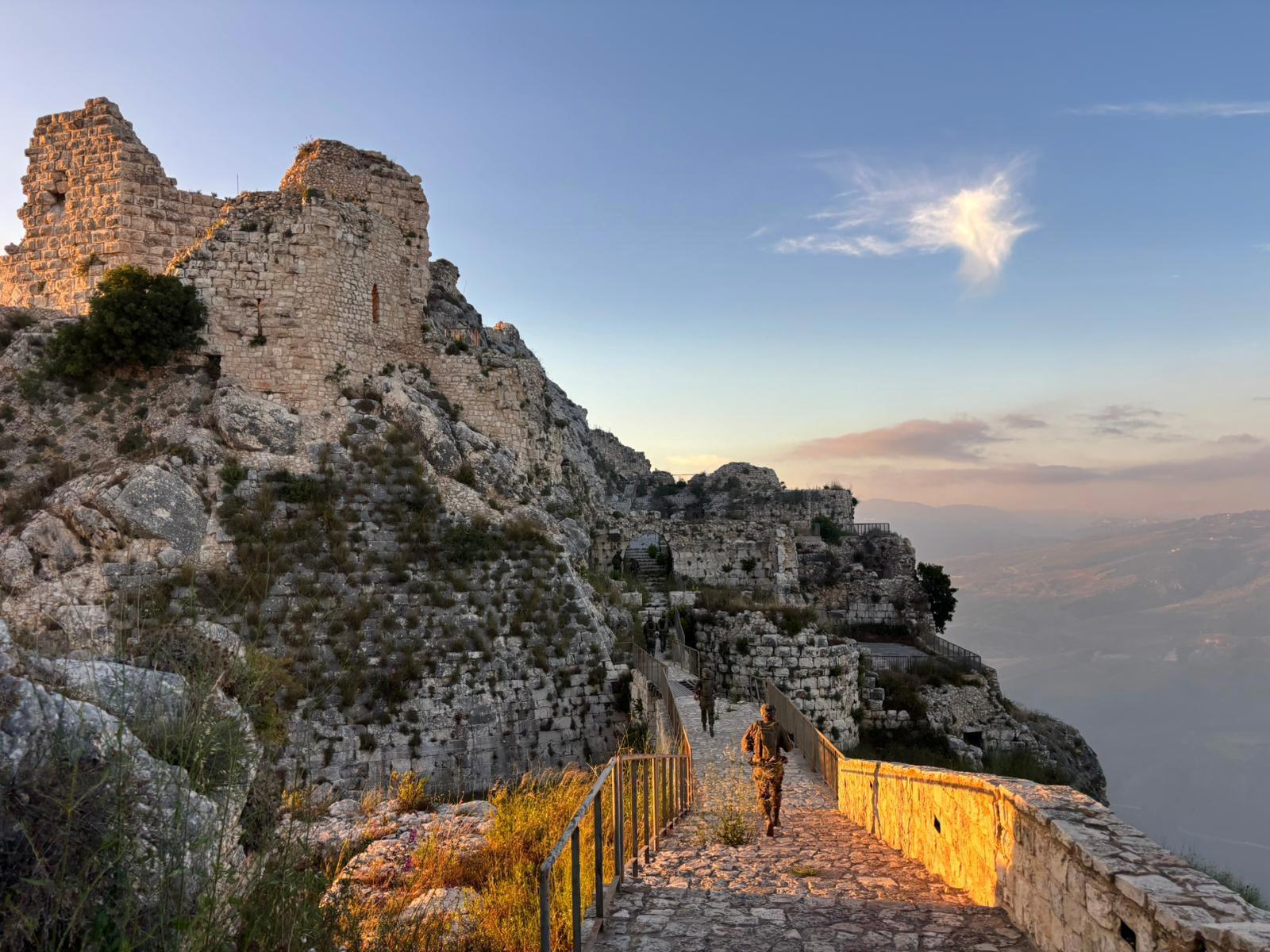
What Was Hidden Beneath the Beaufort? Inside Hezbollah’s Underground Terror Stronghold
What had appeared to be an observation point later became a Hezbollah and Iranian regime terror stronghold. IDF troops uncovered explosive charges, anti-aircraft missiles, an underground tunnel network, and even an underground operation room used to treat terrorists.
 23.07.26
 0
0
For years, Hezbollah transformed the Beaufort Ridge into a heavily fortified terrorist complex. From that point, Hezbollah gathered intelligence, directed and launched attacks toward northern Israeli communities and deep beneath it, constructed an extensive underground infrastructure.
The ridge provides a vantage point overlooking the valleys of southern Lebanon, the Ali al-Taher Ridge, Nabatieh, and the area between the Saluki and Litani Rivers. Northern Israeli communities are also visible across the horizon.
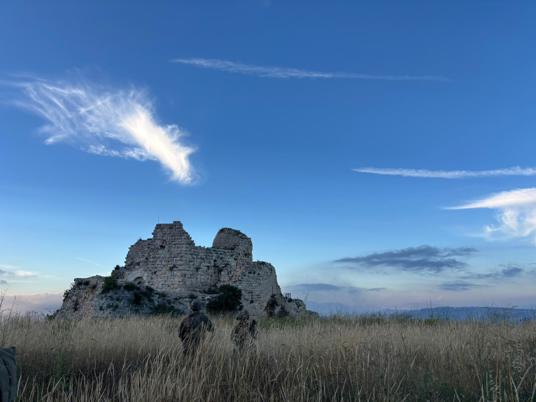
IDF troops in the Beaufort Ridge
The road to the ridge had begun much earlier, through a series of battles, routes, and military operations that together created the conditions necessary to reach both the surface of the ridge and what had been built deep underground.
Above Ground: The Military Route to Beaufort
The operations began in the area between the Litani and Saluki Rivers—regions that for decades had been considered part of Hezbollah's terrorist stronghold—and from there expanded toward the commanding high ground overlooking the area.
As the fighting progressed, what had already been understood beforehand became even clearer: the Beaufort was not an isolated objective but part of a much broader system.
Along the routes between the Litani, the Saluki, Qantara, Ali al-Taher, and Nabatieh, Hezbollah spent years constructing observation posts, military infrastructure, intelligence-gathering systems and underground routes intended for terror use.
Establishing Control of the Ridge
"My battalion was the first armored battalion to enter the area, clearing the way for the troops that followed," said Lieutenant Colonel A., commander of the 75th Battalion.
Their mission, he explained, was not merely to reach the ridge, but to eliminate the site’s threat. "The battalion led the operation in the al-Nabatieh Ridge," he detailed. "We eliminated terrorists, dismantled infrastructure and created all the conditions necessary for effective operational control that would enable us to continue."
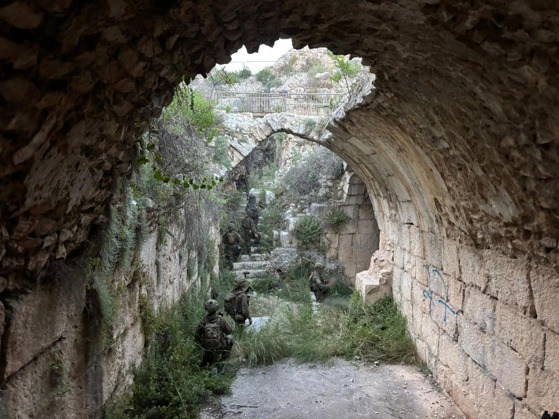
IDF troops in the Beaufort Ridge
In practice, that control means much more than reaching a location or raising a flag–it means knowing and controlling the area. Every point of tall terrain can become an observation post, every thicket can conceal a terrorist cell and every abandoned building or opening in the ground may be part of a larger system.
"Troops found clear evidence of prolonged terror activity in the area: equipment, positions and infrastructure Hezbollah built in order to maintain control of the ridge,” LTC A. continued.
Meanwhile, troops of the Yahalom unit entered the picture and began operating in the underground complex discovered beneath the ridge.
Deep Beneath the Beaufort: Inside Hezbollah's Underground Tunnel Network
If the surface of the Beaufort could momentarily fool a bystander into thinking it was simply a beautiful observation point rather than a terror post, descending just a few meters into the exposed underground complex will leave no doubt.
Only a few steps inside, the open landscape gave way to a narrow corridor carved into rock, illuminated by artificial lighting and marked by signs of long-term habitation.
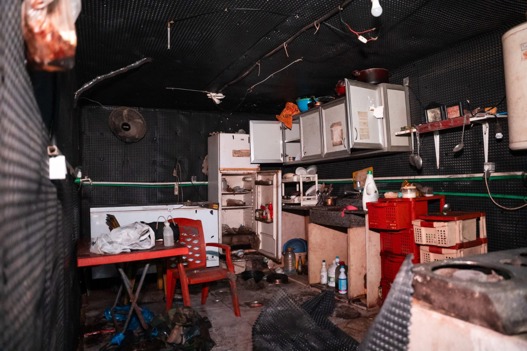
A kitchenette found in a Hezbollah tunnel in the Beaufort Ridge
Inside the ridge lies a complex built over many years as part of an Iranian-funded effort across southern Lebanon. "We're standing inside a tunnel that's part of a larger system," explained Lieutenant Colonel H., deputy commander of Yahalom's Samur unit, at the tunnel entrance.
The underground complex was equipped for prolonged occupancy and included:
- Bathrooms
- Showers
- Kitchenettes
- Living quarters
- Water systems
- Electrical infrastructure
- Communications systems
- Sewage infrastructure
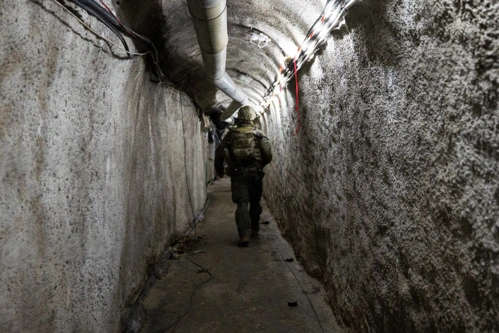
IDF troop in a Hezbollah tunnel in the Beaufort Ridge
As Captain B., the operations officer of the Samur unit detailed, the first priority upon entering a tunnel is: "To look for anything that could immediately threaten our troops—primarily terrorists and explosives. Only afterward do we examine the infrastructure itself.”
Weapons, Command Facilities and a Medical Room Beneath the Surface
"The operating room we found inside the tunnels was a major discovery," Captain B. recalled. "It was located relatively close to the tunnel entrance, allowing wounded terrorists to be brought in and treated immediately. We've found medical rooms and equipment before, but never an operating room like this. It was built to a very high standard."
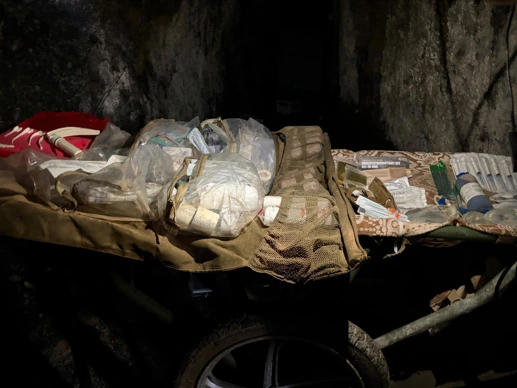
Medical equipment found in a Hezbollah tunnel in the Beaufort Ridge
This small detail demonstrated to the troops how Hezbollah had planned to conduct combat in the area. "The entire tunnel system looks like this. It was designed for long-term occupation—not a temporary position to fight and withdraw from, but a place where they intended to remain until we arrived."
The weapons found inside the tunnels reinforced that picture. IDF troops recovered anti-tank weapons, anti-aircraft missiles, explosive devices, combat equipment and infrastructure intended to enable Hezbollah terrorists to attack IDF troops and northern communities.
"There are full infantry combat capabilities here, designed to support the terrorists who stayed inside," LTC. H. described.
Hezbollah and the Iranian Regime’s Terror Infrastructure
The Iranian regime's connection, both officers stressed, is visible not only in the funding but also in the planning, engineering, and similarities to other underground systems uncovered throughout southern Lebanon.
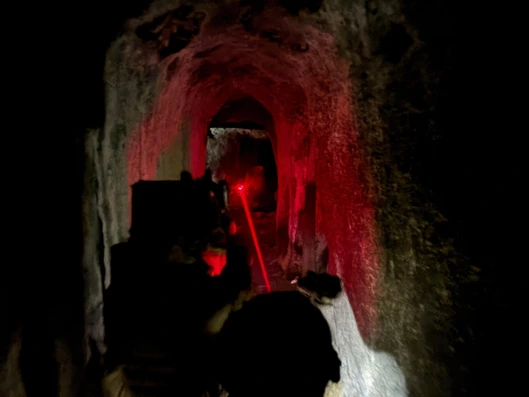
IDF troops in a Hezbollah tunnel in the Beaufort Ridge
"We see a comprehensive Iranian regime signature here,” stated LTC H. "It's the same concept. This project was built exactly like other projects we've found in Hezbollah's military strongholds—and will end the same way those projects did."
Above ground, the fortress and ridge are associated with the history of past battles.
Below ground, it becomes clear that Hezbollah sought to transform the very same location into a living, functioning, heavily fortified terrorist system. It became not merely a symbol of the past, but a genuine operational asset.
"It is a great privilege to take part in this important mission, especially now. We will not stop until there is no threat to Israel,” the officers concluded.
"When you climb the ridge, see the Beaufort with your own eyes, it's a historic feeling," said LTC A. "To be among the first to influence and control this area after so many years is an immense source of pride."
Frequently Asked Questions
Why is the Beaufort Ridge strategically important?
The ridge overlooks key areas of southern Lebanon and northern Israel, making it a valuable location for surveillance, directing attacks and controlling surrounding terrain.
What is beneath the Beaufort Ridge?
Troops found an extensive underground tunnel network with living quarters, utilities, command infrastructure, weapons storage and a medical operation room.
What types of weapons were found in the Beaufort Ridge?
Anti-tank weapons, anti-aircraft missiles, explosive devices, infantry equipment and additional combat infrastructure.
Who funded Hezbollah’s terror infrastructure in the Beaufort Ridge?
The tunnels beneath the Beaufort were planned and funded by the Iranian terror regime, like many other Hezbollah terror tunnels in southern Lebanon
