
Israel-Gaza History
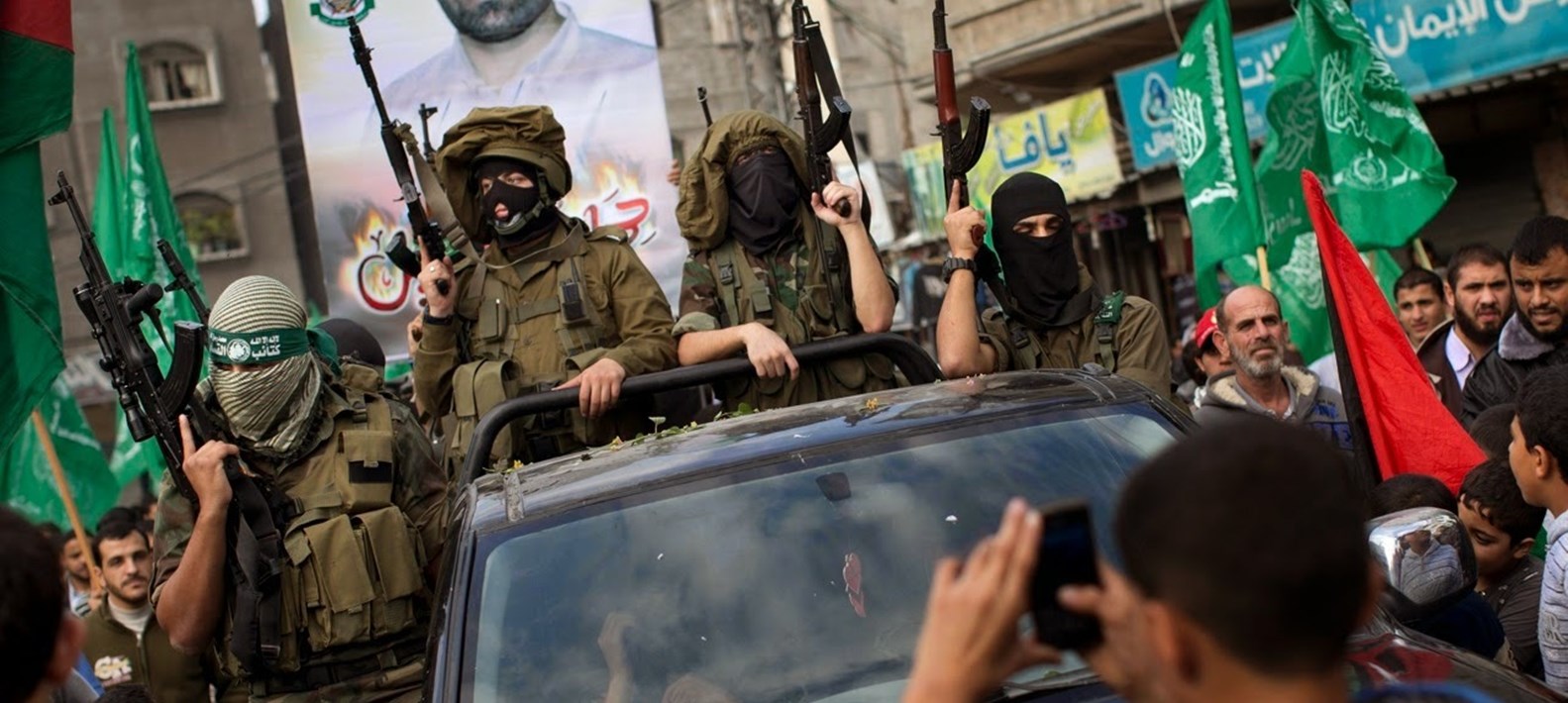
For months, there has been an escalation of violence along the security fence between Gaza and Israel, including violent riots, Hamas attacks on southern Israeli communities, and the most serious incident since Operation Protective Edge in 2014.
 06.08.18
 0
0
This article is outdated. For more recent info on the Israel-Gaza conflict, click here.
During violent, Hamas-led riots, a sniper from the Gaza Strip shot and killed IDF Staff Sgt. Aviv Levi. This lead to a wide-scale response, in which IAF fighter jets struck over 60 Hamas terror targets in a strategic campaign to significantly damage Hamas’ combat capabilities.
With tensions rising, it’s leading many to ask how the relationship between Israel and Gaza got to this point.
Israel’s Withdrawal From Gaza
Israel unilaterally withdrew from the Gaza Strip in the summer of 2005 after years of attacks on Israeli civilians. All IDF posts were removed and over 9,000 Israeli citizens living in 25 communities were evicted.
Prime Minister Ariel Sharon, who was in office at the time, addressed the United Nations General Assembly, expressing hope for a better future for Gazan civilians. “The end of Israeli control over and responsibility for the Gaza Strip allows the Palestinians, if they so wish, to develop their economy and build a peace-seeking society, which is developed, free, law-abiding, and transparent, and which adheres to democratic principles,” he said.
Prior to being evicted, the Jewish communities in Gaza owned thousands of greenhouses and had a flourishing agricultural economy. Upon their eviction, 3,000 of these greenhouses were left to help kick-start Gaza’s economy. Unfortunately, shortly after Israel’s withdrawal from Gaza, the greenhouses were looted and some of the equipment was turned into rockets that were subsequently fired at Israel.
Hamas Military Build-Up in Gaza
Immediately after Hamas was elected into power in 2007, huge amounts of munitions were illegally smuggled into Gaza. This included 31 tons of military grade explosive materials and 14,000 rifles. Additionally, in the first year of Hamas’ reign, hundreds of rockets were fired at Israel. Israel’s Security Cabinet then declared the Gaza Strip a hostile territory.
In the years to follow, Hamas continued to misuse funds and supplies in Gaza. Over $120 million worth of concrete originally intended to develop civilian infrastructure was used to build terror tunnels to infiltrate Israel. These tunnels were used as early as 2006 in the kidnapping of IDF soldier, Sergeant 1st Class Gilad Shalit.
Since then, Hamas has continued to waste concrete on terror tunnels, and in the construction process, has killed more than 400 Palestinians, including at least 160 children. Attempts were made to smuggle weapons into Gaza via the Mediterranean Sea, which led to the imposition of a legal naval blockade. Additionally, rocket and mortar shell fire continued, inflicting wide-spread damage and trauma on Israel’s southern residents in particular, which lead to the development of the Iron Dome aerial defense system.
Humanitarian Access and Ongoing Tensions
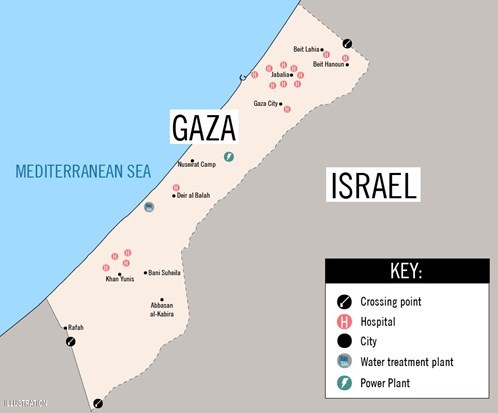
Today, the relationship between Israel and Gaza remains tense. Yet Gazan civilians are still allowed to enter Israel to receive medical treatment, pray, study, travel, and work on a daily basis. Israel regularly facilitates the transfer of humanitarian supplies to the Gaza Strip through the Kerem Shalom Crossing, even in times of conflict, including during Operation Protective Edge in 2014.
Hamas remains accountable for controlling the Gaza Strip, and continues to put its terror-based goals above the needs of its people. They insist on inciting violence and wasting vital supplies on terror activity. The IDF will continue to operate as necessary to safeguard the security needs of the State of Israel, and is ready to defend Israeli civilians and sovereignty.
