
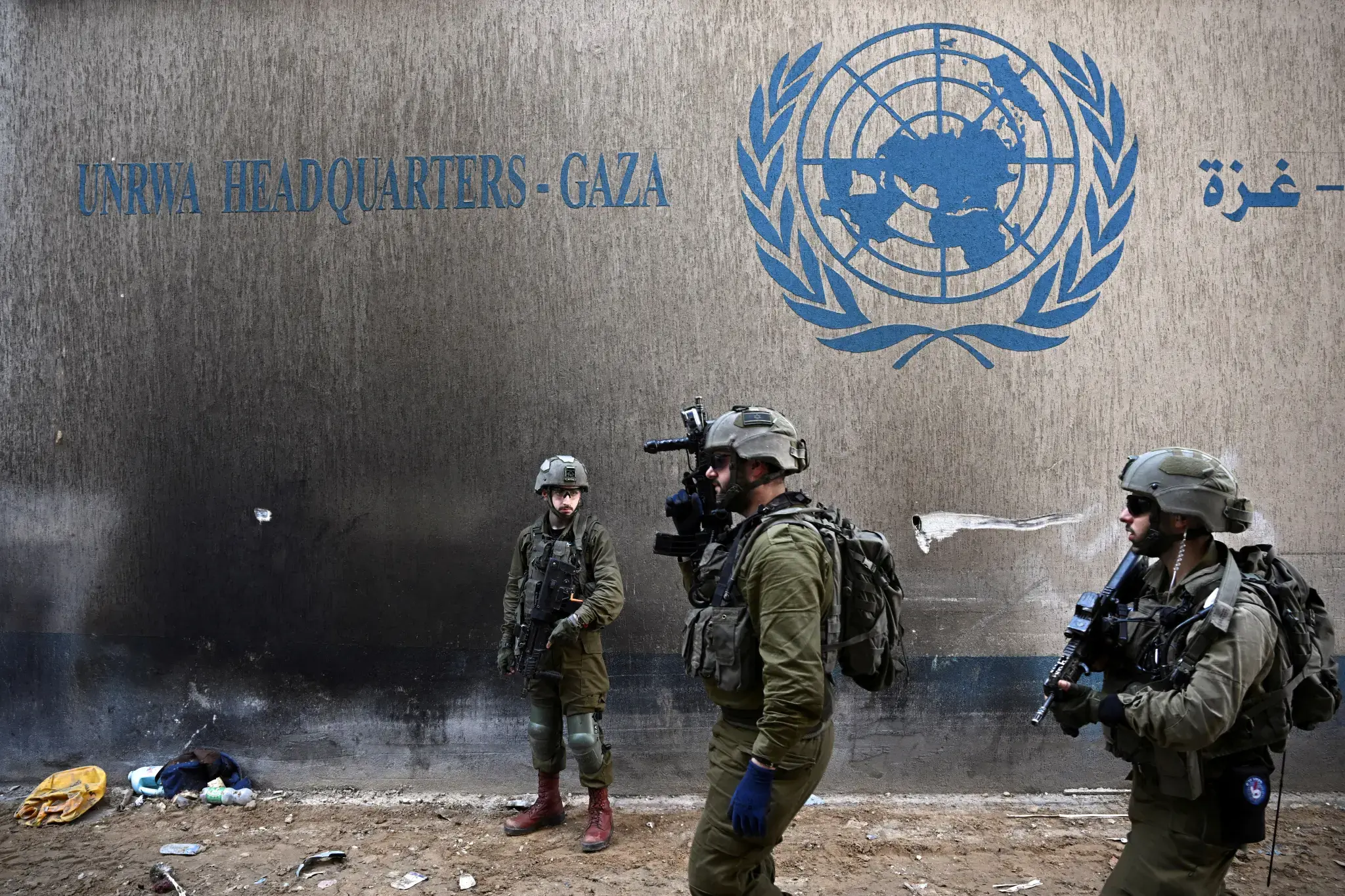
More Than 100 UNRWA Employees Linked to Hamas
More than 100 current and former UNRWA employees were identified as having ties to Hamas. Explore the allegations, their roles, and the implications for humanitarian neutrality.
 14.06.26
 0
0
For years, UNRWA was presented to the world as a humanitarian organization dedicated to education, healthcare, and assistance for Palestinians in Gaza.
Today, the scale of Hamas’ infiltration into the agency is becoming increasingly clear.
More than 100 current and former UNRWA employees have been identified as having ties to Hamas’ military wing or involvement in the October 7 Massacre. Among them were school principals, teachers, medical personnel, counselors, attendants, and security staff–individuals who were entrusted with serving civilians while allegedly maintaining connections to a terrorist organization.
Some of those identified reportedly held operational positions within Hamas. Individuals working inside UNRWA schools and other civilian institutions allegedly served as commanders, intelligence operatives, and members of Hamas military units. Others were linked to activities that directly supported Hamas’ terrorist operations.
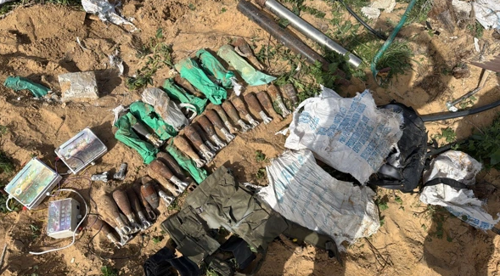
These revelations reinforce a reality that Israel has exposed throughout the war with Hamas–they systematically embed themselves within civilian infrastructure and exploit humanitarian frameworks to advance its military objectives.
Over the course of the war, the IDF uncovered terrorist infrastructure operating from civilian areas across Gaza. Weapons were stored near civilian facilities. Command centers were established within civilian environments. Terrorist operatives used locations intended to serve the population as cover for military activity.
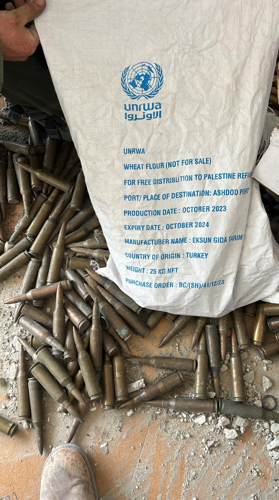
The latest findings reveal that Hamas’ strategy extended beyond buildings and infrastructure. It also included the infiltration of personnel working inside institutions that were supposed to remain neutral and humanitarian.
The individuals identified were not operating on the margins of society. They were educators, administrators, healthcare workers and public servants. They held positions of responsibility and trust while allegedly maintaining ties to the terrorist organization responsible for the murder of 1,200 people and the kidnapping of hundreds more on October 7.
Humanitarian organizations play a critical role in helping civilians during times of conflict. Their legitimacy depends on neutrality, transparency, and a commitment to humanitarian principles. When terrorist organizations infiltrate these institutions, they endanger civilians, undermine humanitarian efforts, and erode international trust.
The exposure of more than 100 UNRWA employees linked to Hamas raises serious questions about the extent to which they succeeded in embedding themselves within institutions that were intended to serve the people of Gaza.
One fact remains unchanged; a terrorist working inside a humanitarian organization is still a terrorist.
Frequently Asked Questions
Q: How many UNRWA employees were identified as having ties to Hamas?
A: The article states that more than 100 current and former UNRWA employees were identified as having ties to Hamas' military wing or involvement in the October 7 Massacre.
Q: What types of jobs did the identified individuals hold?
A: They reportedly included school principals, teachers, medical personnel, counselors, attendants, security staff, and other public servants.
Q: What Hamas-related roles were some of the individuals accused of holding?
A: According to the article, some allegedly served as commanders, intelligence operatives, or members of Hamas military units.
Q: Why does the article argue this issue extends beyond physical infrastructure?
A: The article states that Hamas allegedly infiltrated not only civilian facilities but also personnel working inside institutions intended to remain neutral and humanitarian.
Q: Why is neutrality important for humanitarian organizations?
A: The article argues that humanitarian organizations depend on neutrality, transparency, and humanitarian principles. Infiltration by terrorist organizations can endanger civilians, undermine aid efforts, and damage public trust.
