
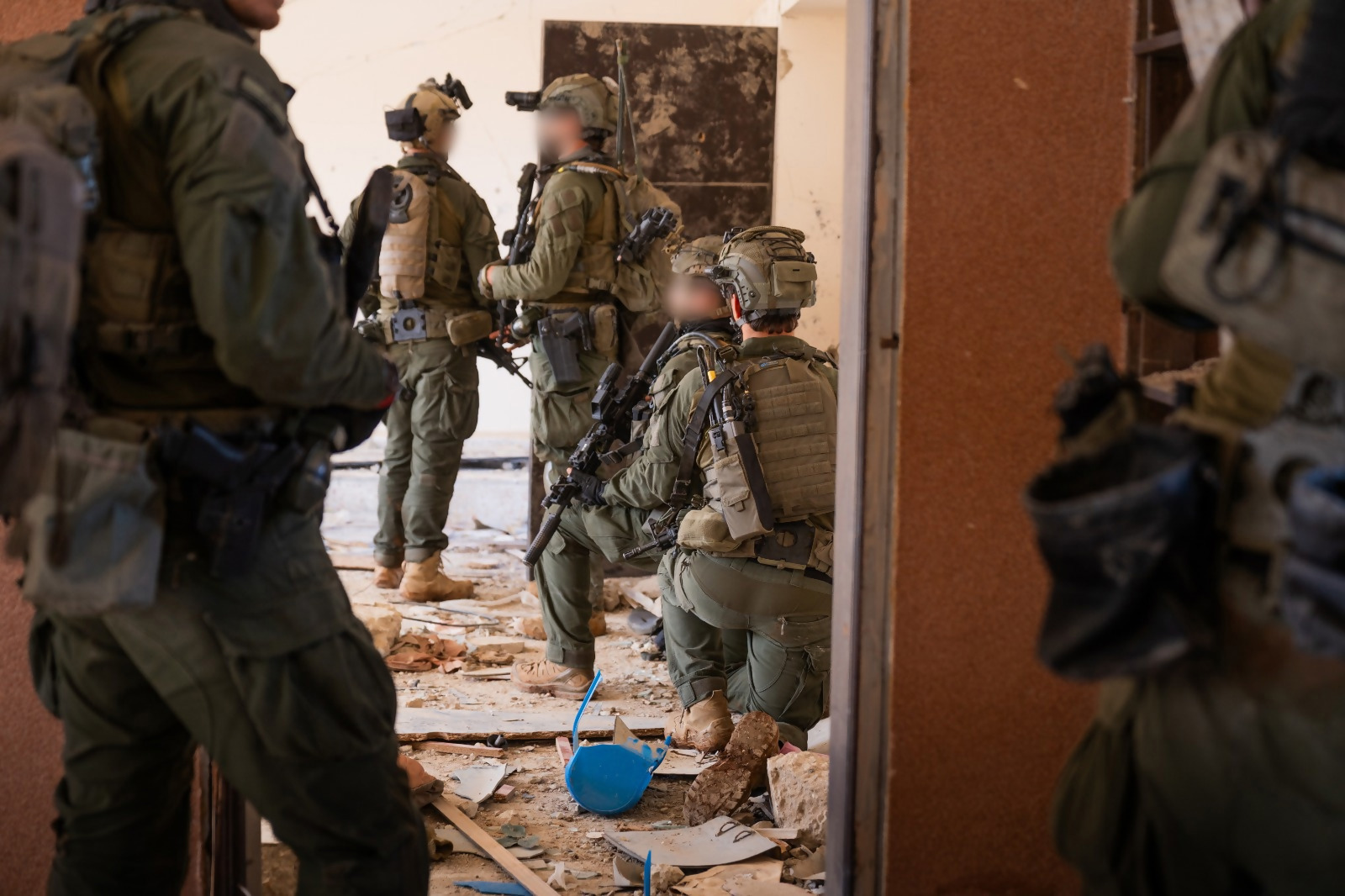
Defense Meets Offense: The IDF’s Response to Hezbollah in Southern Lebanon
 08.09.26
 0
0
To learn more about the war on the northern front, click here.
Hezbollah has not laid down its weapons. Time and time again, the terrorist organization has repeatedly attacked IDF troops operating in the Security Zone in southern Lebanon, in violation of the understandings reached between Israel and Lebanon on June 19, 2026.
This blatant disregard of the understandings is part of an ongoing effort by Hezbollah to restore its terror capabilities. It is the IDF’s duty to protect its civilians and troops from terror.
Examples of Recent Hezbollah Violations
In several recent incidents, Hezbollah launched explosive drones toward IDF troops operating in the Security Zone in southern Lebanon. The drones were intercepted. In response, the IDF struck terrorists, weapons storage facilities and other infrastructure used to plan and direct such attacks.
One of the targets was a Hezbollah command center established inside a building previously used as a hospital. Terrorists used the site for observation and artillery activity, which is yet another example of the organization operating from within civilian infrastructure and endangering the Lebanese population.
IDF activity has also exposed Hezbollah’s broader efforts to rebuild its military capabilities. Terrorists have been identified transferring weapons, restoring military sites and reestablishing the capabilities of the organization’s elite Radwan Force. Weapons smugglers have continued moving military equipment into Lebanon, while local Hezbollah operatives have supported efforts to reconstruct the organization’s infrastructure in towns across the country’s south.
Each of these activities violates the understandings between Israel and Lebanon. Every attack represents a direct threat to IDF troops and the people of Israel.
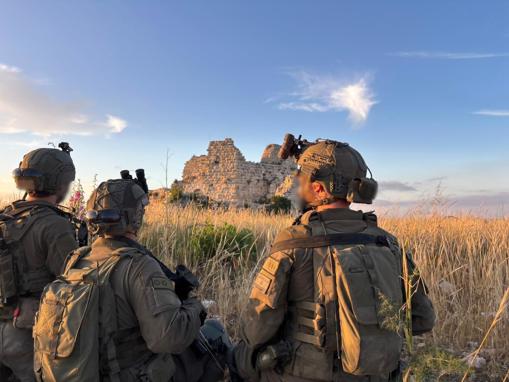
IDF troops in southern Lebanon
What Exactly are These Newfound Understandings?
The understandings reached on June 19, 2026, were intended to prevent renewed hostilities and stop Hezbollah from using southern Lebanon as a base for attacks against Israel. Israel remains committed to these understandings. That commitment, however, does not prevent Israel from acting against armed terrorists, explosive drones, or the rebuilding of military infrastructure near its border.
An understanding can provide security only when its terms are respected and enforced. When Hezbollah launches attacks or works to restore the capabilities needed to carry out future terror, the IDF acts in order to remove the threat.
A Direct Response to a Direct Threat
When Hezbollah launched drones toward IDF troops, the IDF struck the terrorists and infrastructure behind the threat in response. After intelligence identified weapons being transferred, the IDF acted against those involved. When Hezbollah established command centers and weapons storage facilities, the IDF targeted those military
sites.
These operations are intelligence-guided and directed only against Hezbollah’s terrorist capabilities. Before strikes, the IDF takes measures to reduce harm to civilians, including the use of precise munitions and aerial surveillance.
Hezbollah, by contrast, continues to conduct military activity inside and around civilian areas, putting Lebanese civilians at risk.
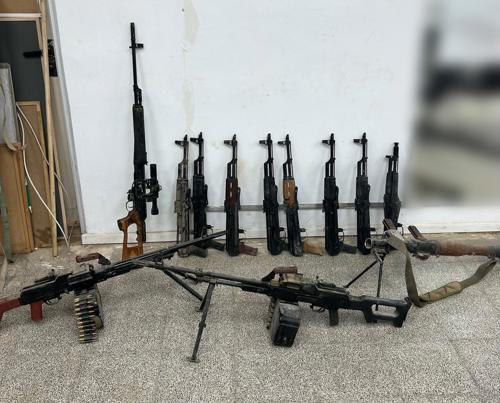
Hezbollah weapons found in southern Lebanon
Hezbollah Chose to Reopen the Northern Front
The present Hezbollah threat did not begin with the June understandings.
On March 2, 2026, during Operation ‘Roaring Lion’, Hezbollah chose to join the Iranian regime’s campaign against Israel. Acting in support, the organization launched dozens of rockets and UAVs towards Israel, threatening northern communities and putting Israeli civilians at risk.
The IDF responded by striking Hezbollah command centers, launchers, weapons depots and other military infrastructure across Lebanon. At the same time, IDF soldiers maintained a defensive position to prevent attacks and infiltrations near the border.
The location of Israel’s northern communities makes that defense essential. Families live only a short distance from areas where Hezbollah has built military infrastructure. A rocket launcher, armed drone, or terrorist position in southern Lebanon can become an immediate threat to a home, school, or road inside Israel.
The IDF’s presence and operations provide a defensive barrier between Hezbollah’s terrorists and the civilians they seek to target.
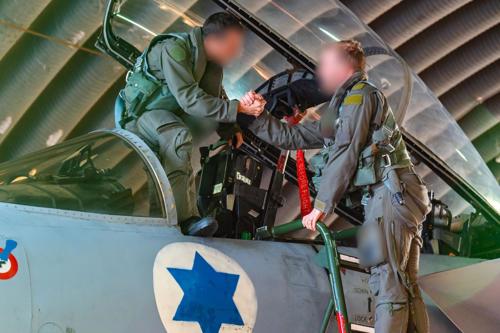
IDF pilots during operation 'Roaring Lion'
Protecting the North: Today and for the Future
For residents of northern Israel, security cannot exist only on paper. It must be reflected in the ability to return home, send children to school and live without a constant threat to their security.
The IDF will continue to uphold the understandings between Israel and Lebanon and will respond firmly when Hezbollah chooses to violate them.
The mission is not escalation. It is maintaining a strong defense and stopping threats before they reach Israeli communities. As long as Hezbollah continues attempting to attack Israel and restore its terrorist capabilities, the IDF will remain prepared to act.
Israel’s northern border is not a battlefield Hezbollah is free to threaten. It is a place where families live and the IDF is committed to defending them. That commitment will not change and the communities of northern Israel will not be left unprotected.
Frequently Asked Questions
Why is the IDF continuing to operate in Lebanon?
The IDF is responding to Hezbollah’s repeated violations of the understandings between Israel and Lebanon. These include launching explosive drones, transferring weapons and rebuilding terrorist infrastructure near Israel’s northern border.
What is the IDF’s response to Hezbollah’s terror operations in southern Lebanon?
The IDF targets Hezbollah terrorists, weapons storage facilities, command centers and other military infrastructure used to plan or carry out attacks.
How does the IDF work to protect civilians during these operations?
The IDF conducts intelligence-guided operations and takes measures to reduce civilian harm, including precise munitions and aerial surveillance. Hezbollah, however, continues to operate from within civilian areas and infrastructure while placing Lebanese civilians at risk.
