
Gaza’s Food Crisis: What the Numbers Reveal About Supplies on the Ground
 20.10.26
 0
To learn more about the war in Gaza, click here.
Hamas’ ongoing attempts to spread false narratives about a food shortage in Gaza continue, even three years into the war. It claims there are shortages of food, water, sanitation equipment and medical supplies, and accuses the IDF of deliberately preventing essential humanitarian assistance from reaching civilians.
In reality, aid is often exploited by Hamas and doesn’t reach those for whom it is intended. Hamas and other terrorist organizations in Gaza often take the aid for themselves to resell at higher prices, distribute selectively or use for terrorist purposes.
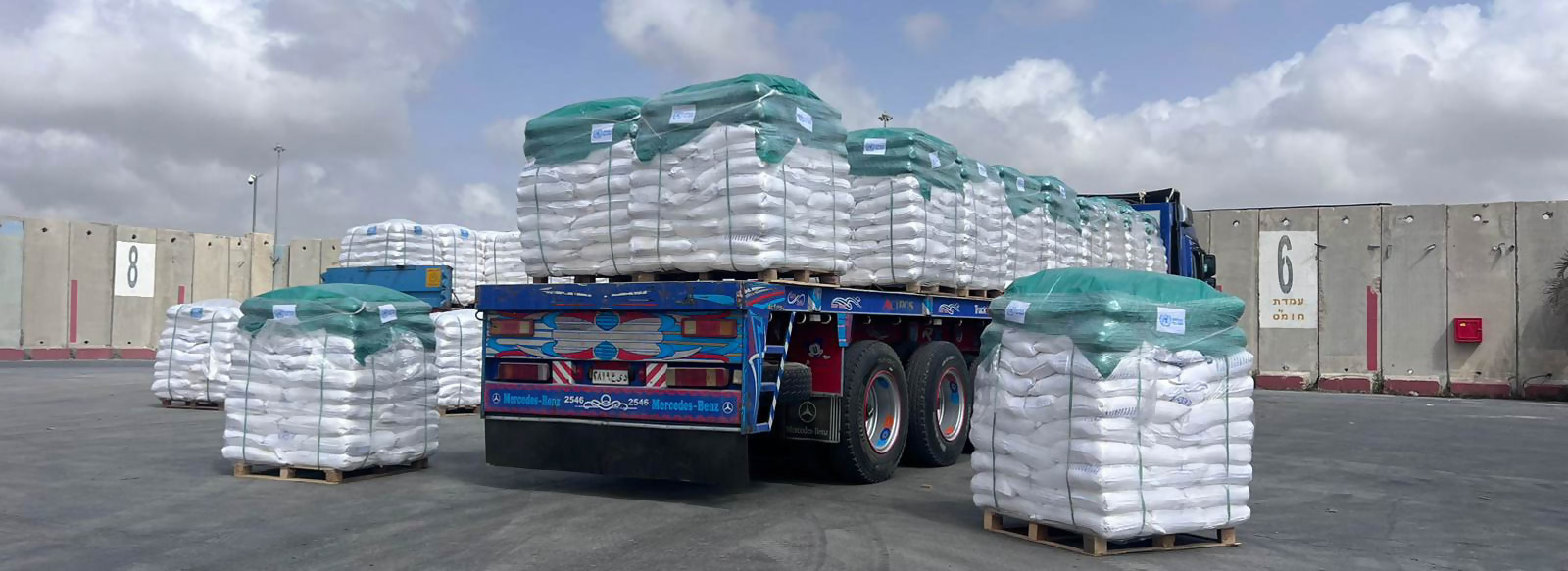
Since the ceasefire began a year ago, COGAT (the Coordinator of Government Activities in the Territories) has facilitated the entrance of around 600 humanitarian aid trucks into Gaza per day, carrying food and other essential supplies. In order to meet the nutritional needs of the population in Gaza, around three-quarters of all aid trucks contain food.
They undergo necessary security screenings beforehand, while making sure not to significantly interrupt the steady flow of aid.
According to both independent and COGAT reports, there is a surplus of food in Gaza. This finding aligns with the humanitarian report published by COGAT in recent months, which determined that the volume of food entering Gaza during the ceasefire stands significantly beyond humanitarian needs as established by the World Food Programme (WFP).
What Food Has Been Entering Gaza?
There are no restrictions on the types of food entering Gaza, and many trucks deliver necessary sources of protein and dietary fiber.
Recently, thousands of tons of animal-derived food products, including eggs, cheeses, poultry and other meat, have entered into Gaza.
There are also 41 bakeries run by international organizations currently functioning and producing over three million pita breads a day, alongside tens of local bakeries and about a 100 community kitchens operating throughout Gaza.
These products provide a varied selection of essential carbs, proteins and fats and contribute to a healthy and balanced diet for both adults and children.
Is There a Food Crisis in Gaza?
The volume of aid entering Gaza is significantly more than the population's needs. This is demonstrated not only by metrics, but also by the reality on the ground. Food prices have dropped by 83 percent due to the increasing availability and variety of products. Footage shows food parcels from the WFP and other organizations left uncollected in Gaza City, while residents report that food is accumulating in shelters.
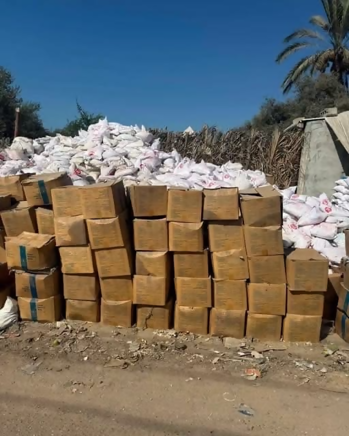
Food parcels left uncollected in Gaza
Gaza’s Ministry of Economy reported the destruction of more than 30 tons of food across Gaza, including:
• 2.1 tons of frozen chicken in Khan Younis
• 200 kilograms of expired semolina and snacks
• 106 kilograms of frozen chicken in northern Gaza
• More than 14 tons of cheese in the Gaza Governorate
• 13.5 tons of frozen chicken in central Gaza
• Flour stocks
The chair of the bakeries association in Gaza recently published a statement in which he rejected Hamas' false claims regarding a flour shortage, yet Hamas continues to echo the claim of deliberate shortages in Gaza. Hamas’ narrative is not supported by the facts. In Gaza, there is no food shortage, but rather a significant surplus of it.
Frequently Asked Questions (FAQs)
How many aid trucks enter Gaza each day?
COGAT facilitates the entry of around 600 aid trucks per day following security checks.
What types of food are entering Gaza?
Meat, chicken, eggs, fruits, vegetables and poultry are only some of the products entering Gaza.
Why are humanitarian aid trucks screened before entering Gaza?
They are screened in order to prevent weapons and dual-use materials from reaching terrorist organizations. This does not mean the IDF places restrictions on all food, sanitation and medical supplies.
Is enough food entering Gaza?
The volume of food entering Gaza during the ceasefire stands significantly beyond humanitarian needs as established by the World Food Programme (WFP).
