
The IDF Unit That Prepares Hospitals in Israel for Every Scenario
 03.11.26
 0
Israel is situated on the seam between two tectonic plates, which often collide and create small shocks. Historically, major earthquakes have struck the region, causing widespread destruction.
Buildings, power lines and roads get damaged, and the very infrastructure necessary to deal with the earthquakes’ disastrous impacts is rendered unreliable.
To prepare for such scenarios, the IDF conducts exercises to ensure it can continue operating and assisting civilians in the event of an earthquake that disrupts essential infrastructure.
No Power or Infrastructure: How to Treat Patients in an Emergency
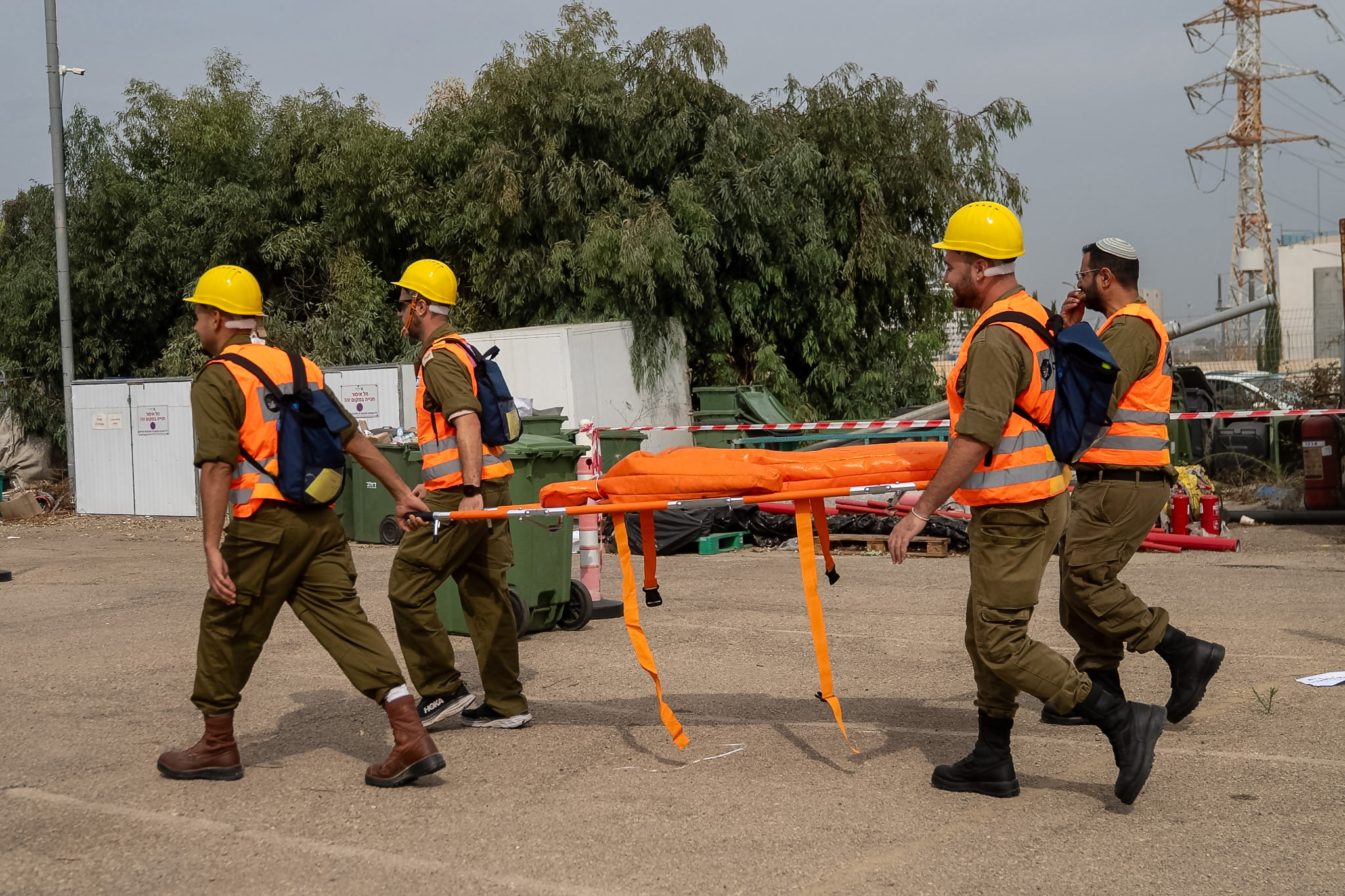
During an exercise at a hospital in northern Israel, IDF reservists and civilian medical professionals practiced responding to an earthquake scenario.
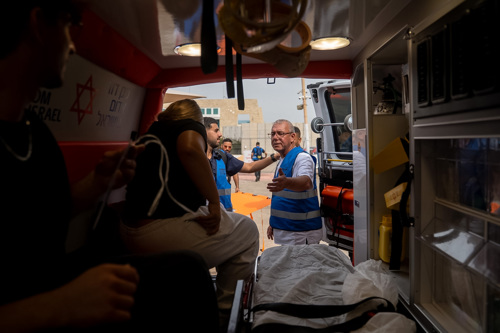
“We prepare for the case in which the hospital is shut down due to an earthquake, and operations need to be moved to a safer area outside,” explained Lieutenant Colonel Z., head of the Hospital Readiness Branch in the Home Front Command.
The aim of the exercise is to ensure that the hospital can continue providing care under difficult circumstances, such as loss of electricity. Even if the hospital itself is not damaged, it may need to receive patients from other hospitals and aid areas struck by the earthquake.
The branch does not focus solely on earthquake preparedness: “Together with the Israeli Ministry of Health, we prepare hospitals for scenarios such as biochemical incidents, war and earthquakes.” The branch has previously helped hospitals prepare for rocket attack scenarios. For example, the latest earthquake exercise was conducted in a hospital in northern Israel which, due to rocket fire from Hezbollah, adjusted its activity and moved many divisions to underground bunkers.
“In emergencies, we are responsible for assisting the civilian population,” she said. “We work together in a coordinated effort to support and assist, and give the medical personnel the tools they need for when an incident occurs.”
During the exercise, personnel practiced evacuating patients to a field emergency department in an outdoor area away from damaged infrastructure, as well as receiving and treating the wounded.
The main challenge the exercise tackles is lack of power. Current systems require electricity, which is unreliable in the case of an earthquake that topples power grids. The personnel must keep track of patients and refer them to further treatment without the technological infrastructure that accompanies them in their day-to-day life.
“There are no specific solutions that fit every situation. We don’t know what will happen. One area might be affected, or ten. We need to be creative and adapt to the situation,” LTC Z. explained. “We assess the extent and nature of the damage, consolidate the information and look for possible solutions within the region. We determine what resources can be made available from other hospitals, because they are national resources.”
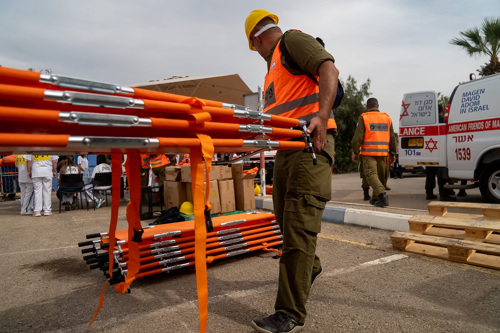
During an emergency, when conditions are chaotic and people are in shock, maintaining situational awareness is crucial. “The relevant Home Front Command district will arrive and coordinate assistance. Someone needs to monitor the situation, close roads where necessary and manage the surrounding security and logistical perimeter.”
The cooperation in disaster scenarios is made possible due to routine operations. There is close cooperation between various emergency organizations, and each of the five Israeli districts has a dedicated commander responsible for coordination with hospitals. “We operate within the civilian sphere. We work alongside them because they know the area best and understand its needs.”
In these disaster scenarios, the IDF’s role is to help prepare civilian organizations and infrastructure for the worst. Even during an earthquake, the IDF remains committed to protect its civilians from any harm.
