
Why the IDF Is Operating in Lebanon Today
The IDF is fighting a war against the Iranian terrorist regime, and now Hezbollah have joined the fight, bringing the battle to Israel’s northern border.
 08.03.26
 0
0
On March 2, 2026, Hezbollah made the deliberate decision to join Iran’s ongoing war against Israel, launching a wave of attacks on the behest of the Iranian regime. Since that date, the terrorist organization has fired dozens of rockets and UAVs toward Israel, escalating the threat to northern communities and putting millions of Israeli civilians at risk.
In the past, Iran has invested nearly one billion dollars in strengthening its proxy network, directing a significant portion to Hezbollah to reinforce the group’s military capabilities and infrastructure.
"In Lebanon alone, over 100,000 missiles are ready to be launched [...] these missiles will pierce through space and will strike at the heart of the Zionist regime [...] they are just waiting for the command so that when the trigger is pulled the accursed black dot will be wiped off the map", said Hossein Salami, former commander in the IRGC, prior to his elimination in 2025.
Hezbollah continues to deliberately embed its military infrastructure–including weapons storage sites, missile launchers, underground facilities and command centers–inside civilian neighborhoods.
The Dahiyeh district in Beirut, Hezbollah’s largest stronghold, serves as the main hub from which senior leaders plan and execute terror operations against Israel. From this district, Hezbollah has launched attacks against IDF forces and Israeli civilians alike, demonstrating a blatant disregard for the safety of Lebanese citizens in pursuit of one objective: the destruction of Israel.
In response to these attacks, the IDF has conducted extensive operations to degrade Hezbollah’s capabilities while taking deliberate steps to protect civilian life. Over the past four days, IDF Air Force aircraft have struck approximately 600 Hezbollah sites, employing roughly 700 munitions against terror infrastructure throughout Lebanon.
In the Dahiyeh, the IDF has carried out 26 waves of strikes against Hezbollah command centers and multi-story buildings housing terror infrastructure.
The IDF has conducted precision strikes against senior Hezbollah commanders and operational leaders, including a Hamas operative in the Tripoli area. Key leaders of the Radwan Force were neutralized in Majdal Sel, southern Lebanon, where they had been planning attacks against Israeli civilians and IDF forces. Approximately 65 targets associated with the Radwan Force have been neutralized.
Additional strikes targeted rocket launchers, UAV storage facilities and weapons depots across southern Lebanon and the Beqaa Valley. Overnight, waves of Air Force operations focused on headquarters used by the IRGC’s Air Force and other Hezbollah units, ensuring the dismantling of operational command centers designed to launch attacks on Israel.
The Israeli Navy has also played a key role in the operation, carrying out extensive strikes against Hezbollah positions along the Lebanese coast, including in Beirut’s Dahiyeh district, Sidon, and Tyre.
Throughout these operations, the IDF has maintained a commitment to precision and mitigation of civilian harm by issuing evacuation warnings for areas near Hezbollah infrastructure, particularly in Dahiyeh, while employing precise munitions, advanced intelligence and aerial surveillance to focus attacks exclusively on terrorist targets.
The combination of air, ground and naval operations reflects a comprehensive strategy: to degrade Hezbollah’s military capabilities, protect Israeli civilians and prevent Hezbollah from using Lebanese civilians as human shields in pursuit of Iranian objectives.
The decision to issue evacuation warnings reflects a conscious trade-off by the IDF. While the element of surprise in military operations can often decide outcomes, the IDF has chosen to prioritize civilian safety over immediate tactical advantage.
Hezbollah’s deliberate embedding of weapons and command centers in densely populated neighborhoods forces this choice. By providing civilians with the opportunity to evacuate, the IDF mitigates the risk of collateral damage, even while continuing to strike key military infrastructure.
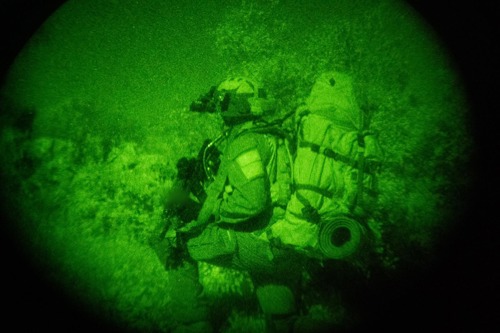
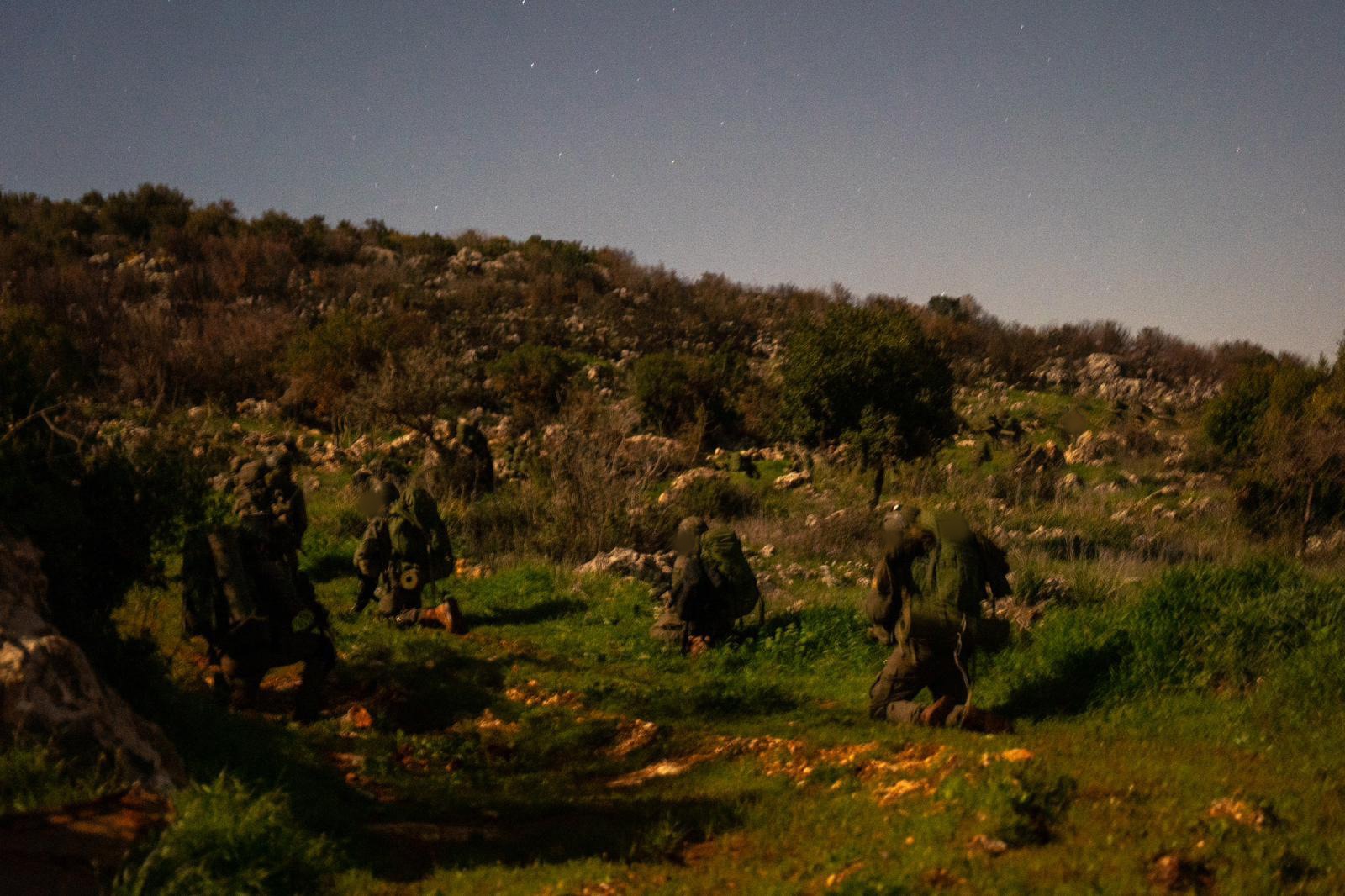
The border between Israel and Lebanon is extremely close to Israeli civilian towns, making the presence of forward defensive forces critical. The IDF has positioned troops at key points along the border, maintaining control over forward positions to prevent Hezbollah infiltrations or attacks on civilian communities in northern Israel.
In recent days, IDF soldiers have been injured while defending the border. Five soldiers were severely injured by projectile fire near the Lebanese border and evacuated for medical treatment, three additional soldiers were lightly injured in the same incident, and two more were moderately wounded by anti-tank fire during defensive operations.
Without these forward positions, the attacks launched by Hezbollah would have been directed at Israeli civilians in the north. The IDF honors these soldiers for standing on the frontlines and defending Israel. Their courage saves lives and earns our deepest gratitude.
The IDF will take every action to avoid causing northern Israeli communities to face evacuations like those of October 8, 2023, prioritizing the protection of civilians in their homes while continuing operations against Hezbollah infrastructure.
The defensive measures include maintaining control points throughout southern Lebanon, monitoring for infiltration and holding a forward defense posture that balances readiness with civilian protection.
These steps ensure that while the IDF engages Hezbollah militarily, Israeli civilians are protected from the threat of rocket and UAV attacks.
Hezbollah remains a dangerous force in southern Lebanon. As it continues its aggression in coordination and aided by Iran, Israel remains resolute in defending its people, neutralizing threats and ensuring that northern communities can continue their lives in safety and security.
