
The Secrets Behind the Terror Regime’s Intelligence Branch
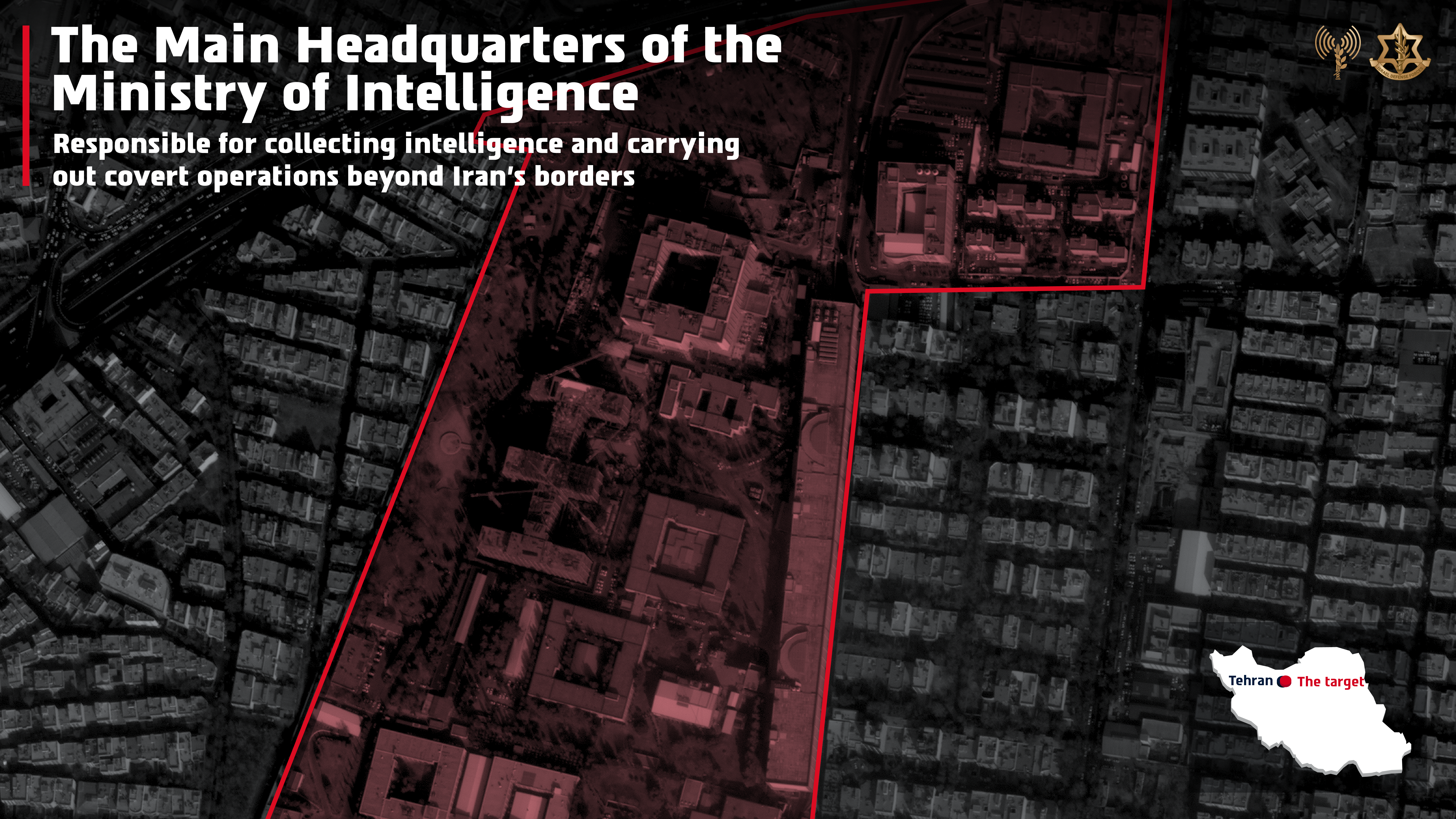
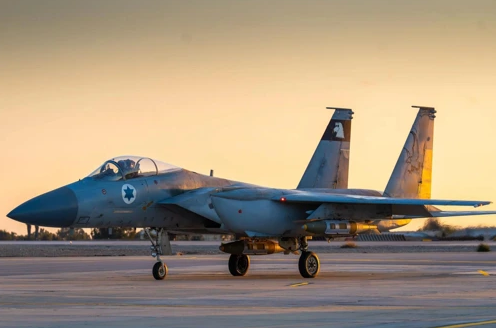
Among the targets struck by the Israeli Air Force was one that may sound harmless, but has spread fear for years. So what exactly is Iran’s Intelligence Ministry? How does striking it weaken the regime’s grip on power? Here are the details about the unit that keeps watch over Iranians around the world while strengthening its ties with proxies across the Middle East.
 05.03.26
 0
0
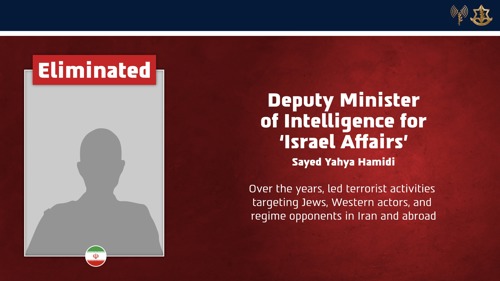
With the surprise opening strike of Operation Roaring Lion, a name unfamiliar to many Israelis suddenly made headlines: The Ministry. During the first wave of strikes, the IDF eliminated two senior officials from Iran’s Intelligence Ministry - leaders of a wide-reaching organization that serves as a central tool of the regime for persecuting and silencing the Iranian people. The head of The Ministry reports directly to the Supreme Leader.
Those eliminated included Sayed Yahya Hamidi, Deputy Minister of Intelligence for Israel Affairs and a key operational figure who over the years directed numerous terror plots against Israeli and Western targets, as well as against opponents of the Iranian regime both inside and outside the country.
Another key senior commander eliminated, Jalal Pour Hossein, was head of The Ministry’s espionage division. Alongside them, several other senior officials involved in advancing terrorist activities were also eliminated.
The roots of the regime’s intelligence branch go back to 1979, when Ayatollah Ruhollah Khomeini established what would later become the Intelligence Ministry, placing it directly under his authority. Its original role was to gather internal intelligence to enforce the laws of the newly formed Islamic Republic and to monitor Iraq.
Four years later, Iran’s various intelligence units were merged, formally creating The Ministry. Its broader mission now covered all intelligence matters, including the planning and execution of terrorist operations, many of them targeting Israelis and Jews both in Israel and abroad.

The Ministry combined different branches, each with its own responsibilities: from monitoring and controlling Iranian citizens, to assassinating regime opponents and suppressing protests.
To no surprise, the organization answers directly to Iran’s Supreme Leader, making it a powerful and flexible tool of control. When Ali Khamenei took over after Khomeini’s death, he gradually promoted loyal allies within The Ministry’s leadership. Much of its focus shifted toward identifying, arresting, and eliminating opponents of the new ruler.
A significant shift took place in 2017, when The Ministry’s authority inside Iran was expanded and its activities abroad intensified.
From that point on, cooperation with Hezbollah and the IRGC’s Quds Force increased considerably, supported by the Ministry’s close connections with other Iranian government offices.
In many cases, intelligence operatives worked out of Iranian embassies and consulates, posing as diplomats. They were involved in planning attacks or assisting the terrorists responsible for them.
In addition, the organization manages communication with Iran’s proxies, helps shape their terror plans across the Middle East, monitors foreign intelligence efforts, and works to block external agencies from gathering intelligence on the Iranian regime.
Across Iran, The Ministry has representatives in each province who watch and report on local residents. They focus especially on political critics and minority groups. Their surveillance also extends overseas, where they collect information on Iranian diaspora communities and organizations.
The senior officials eliminated in the opening strike of Operation Roaring Lion, together with the strike on The Ministry’s headquarters in Tehran, represent a significant blow to the regime’s ability to plan terrorist operations and to threaten those who dare to oppose it.
