
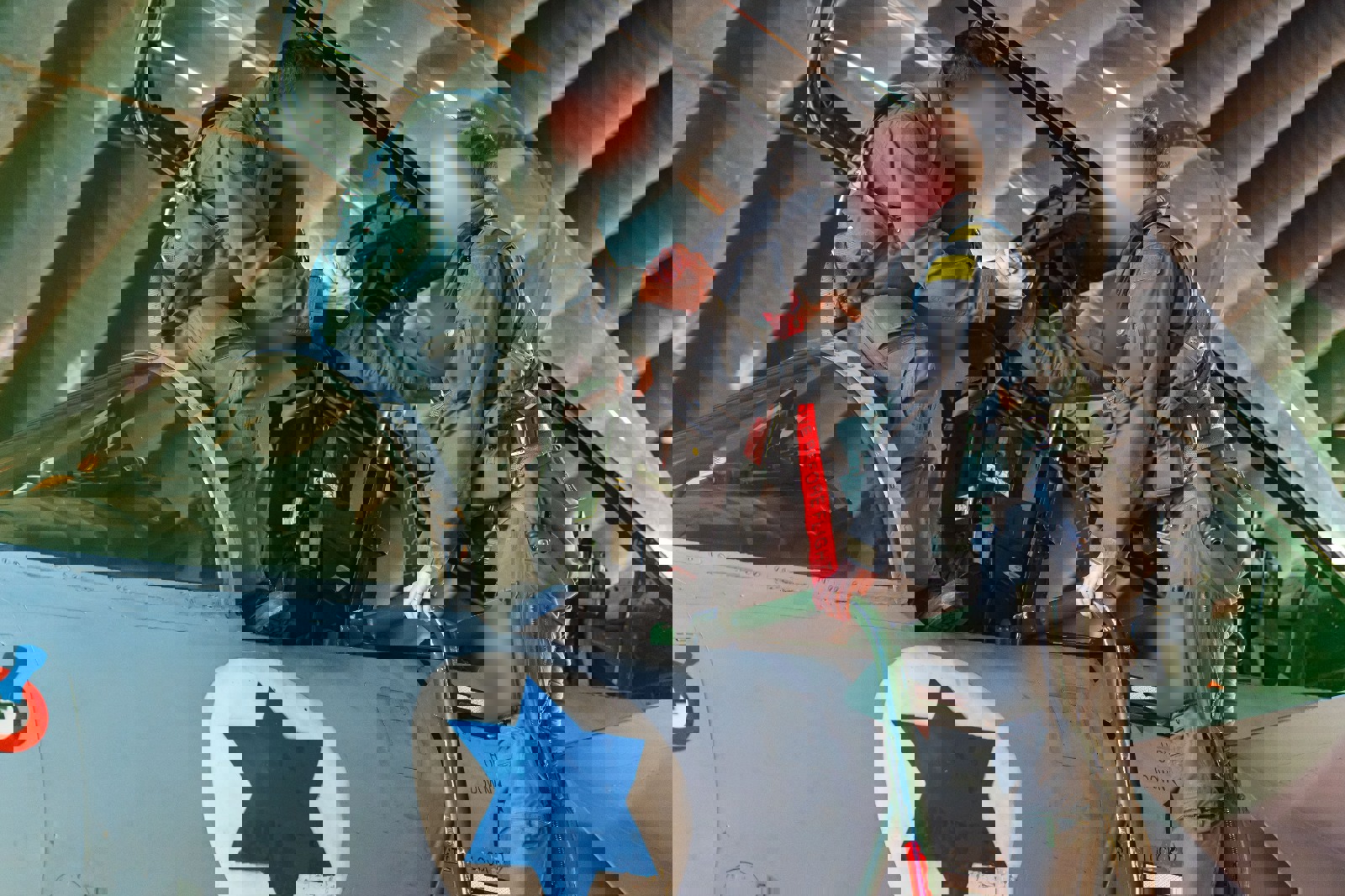
What Has Happened Since the Launch of Operation “Roaring Lion”
 01.04.26
 0
0
Exactly one month ago, the IDF, together with the United States military, launched Operation “Roaring Lion” with the goal of striking the Iranian terror regime and removing long-term existential threats to the State of Israel–threats the regime continues to build and fund.
Since then, four intense weeks have passed, marked by targeted eliminations and widespread strikes from the air, ground, and sea, all carried out simultaneously across multiple arenas.
Over the past month, the operation has been extensive: more than 800 IAF strikes have been conducted using approximately 16,000 munitions. Over 2,000 regime operatives and commanders have been eliminated, and more than 4,000 targets have been struck.
It can now also be revealed that through an extensive intelligence effort led by the IDF Intelligence Directorate and the Israeli Air Force since Operation “Rising Lion” over 5,000 new targets were identified. Thousands of these terror-related assets have already been struck as part of the current operation.
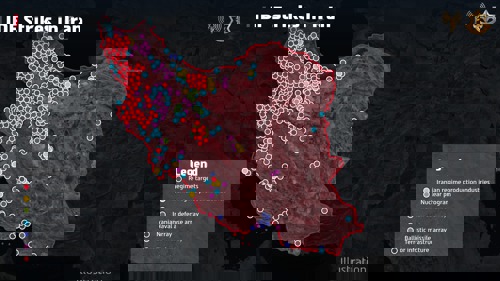
At the same time, alongside the strikes in Iran, the IDF has been conducting a multi-front campaign under the leadership of the Operations Directorate, targeting approximately 7,000 objectives across all arenas of combat.
Week 1:
The opening phase of the operation was particularly significant. Within less than a minute, the leader of the Iranian regime, Ali Khamenei, along with approximately 40 other senior officials, was eliminated.
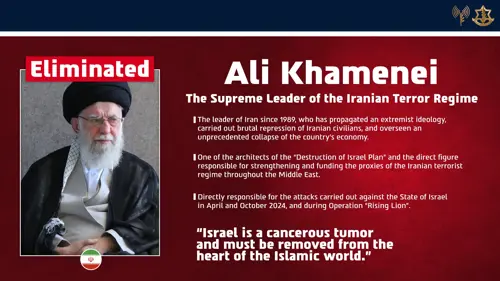
Simultaneously, both the Ministry of Intelligence and the Supreme Defense Council were targeted. That same day also saw the largest aerial operation in Israeli Air Force history.
The opening strike included around 200 fighter jets, hundreds of munitions, and approximately 500 targets. Within 24 hours, aerial superiority over Iran had been established.
Two days into the operation, the fighting expanded to the Lebanese front after Hezbollah launched a barrage of rockets toward northern Israel, choosing to support the Iranian regime over the citizens of Lebanon.
In response, the IDF initiated a wave of airstrikes against the terrorist organization. Ground forces–both regular and reserve–were deployed along the northern defensive line, and four divisions are now operating in Lebanon: the 162nd, 91st, 36th, and 146th.
Week 2:
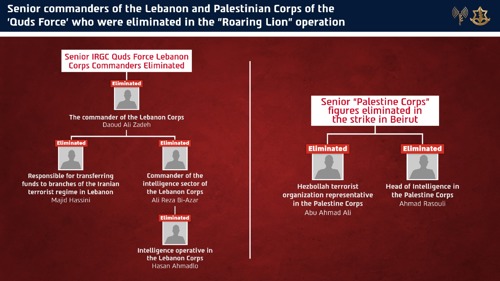
The second week opened with a covert meeting in a hotel in Beirut, where five senior commanders from the Lebanon and Palestine Corps, branches of Iran’s Quds Force responsible for building and strengthening terror organizations beyond Iran’s borders,gathered.
The meeting was cut short by a precise nighttime naval strike that eliminated all five, marking another step in disrupting the terror network directed by the IRGC.
Throughout the week, additional strikes targeted critical regime infrastructure, including the IRGC Air Force headquarters, the emergency command center, and the regime’s space research center, which houses laboratories for developing military satellites used for surveillance and fire coordination across the Middle East.
Toward the end of the week, several senior figures from the “Imam Hussein Division” were eliminated, including its commander. This unit, originally established during the Syrian civil war by the Quds Force, later relocated to Lebanon, where it now operates alongside Hezbollah and other Iranian-backed militias, participating in ground combat as well as rocket and UAV attacks against Israel.
Week 3:
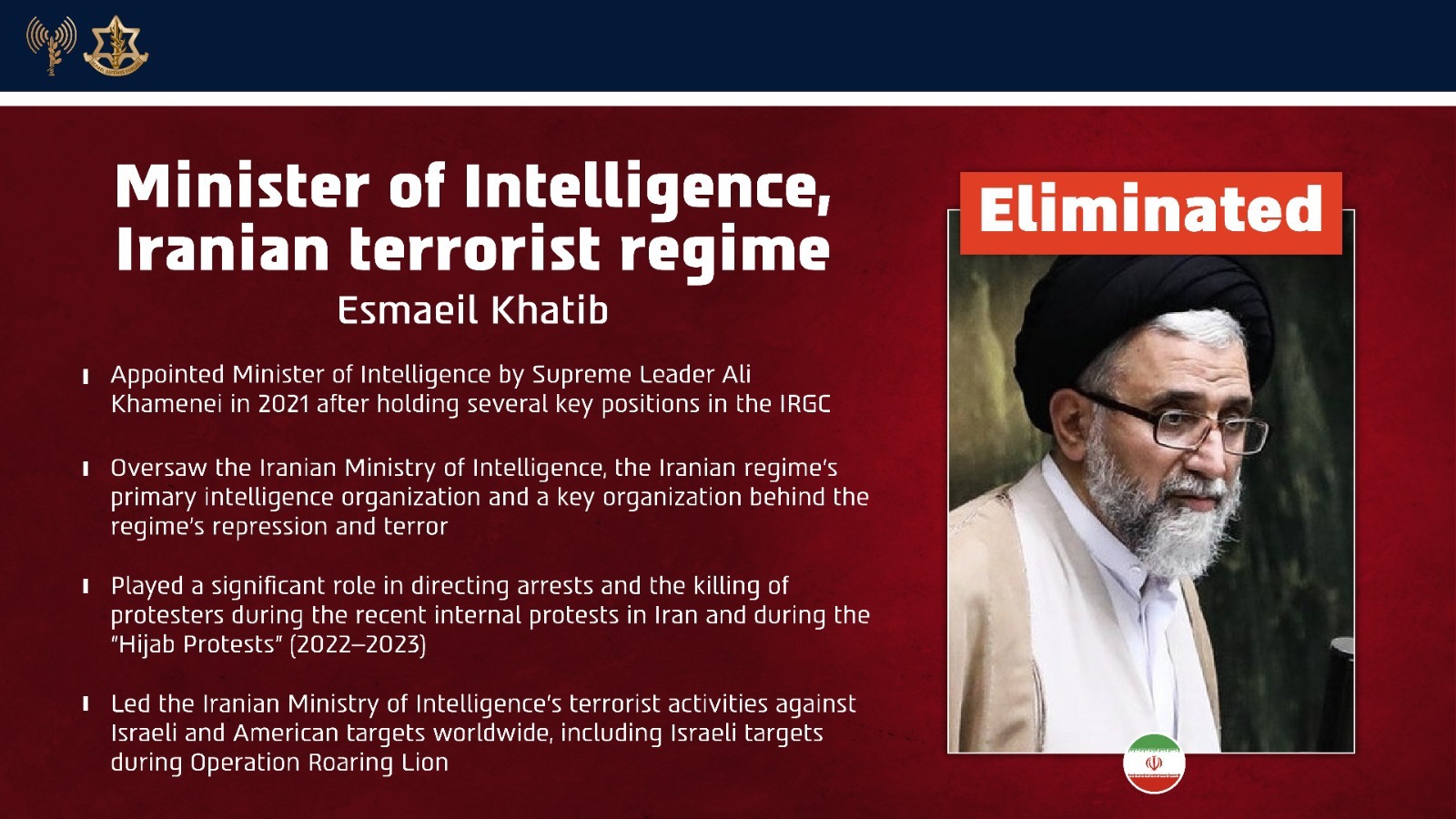
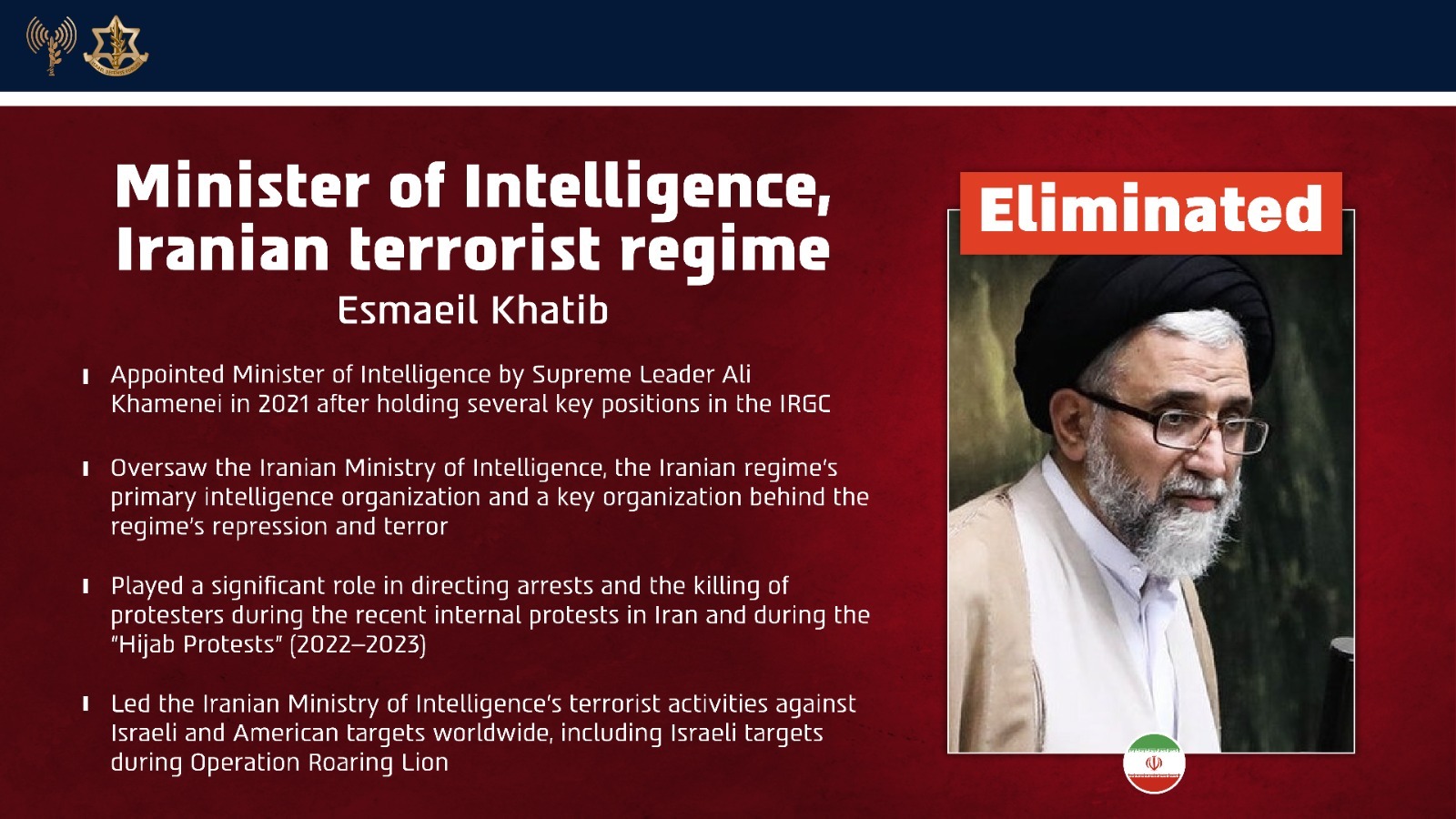
During the third week, multiple key figures in the Iranian regime were eliminated, including the Basij commander, the Minister of Intelligence, and the Secretary of the Supreme National Security Council of the IRGC, who effectively served as a central leadership figure. The IRGC spokesperson, Ali Mohammad Naeini, was also eliminated.
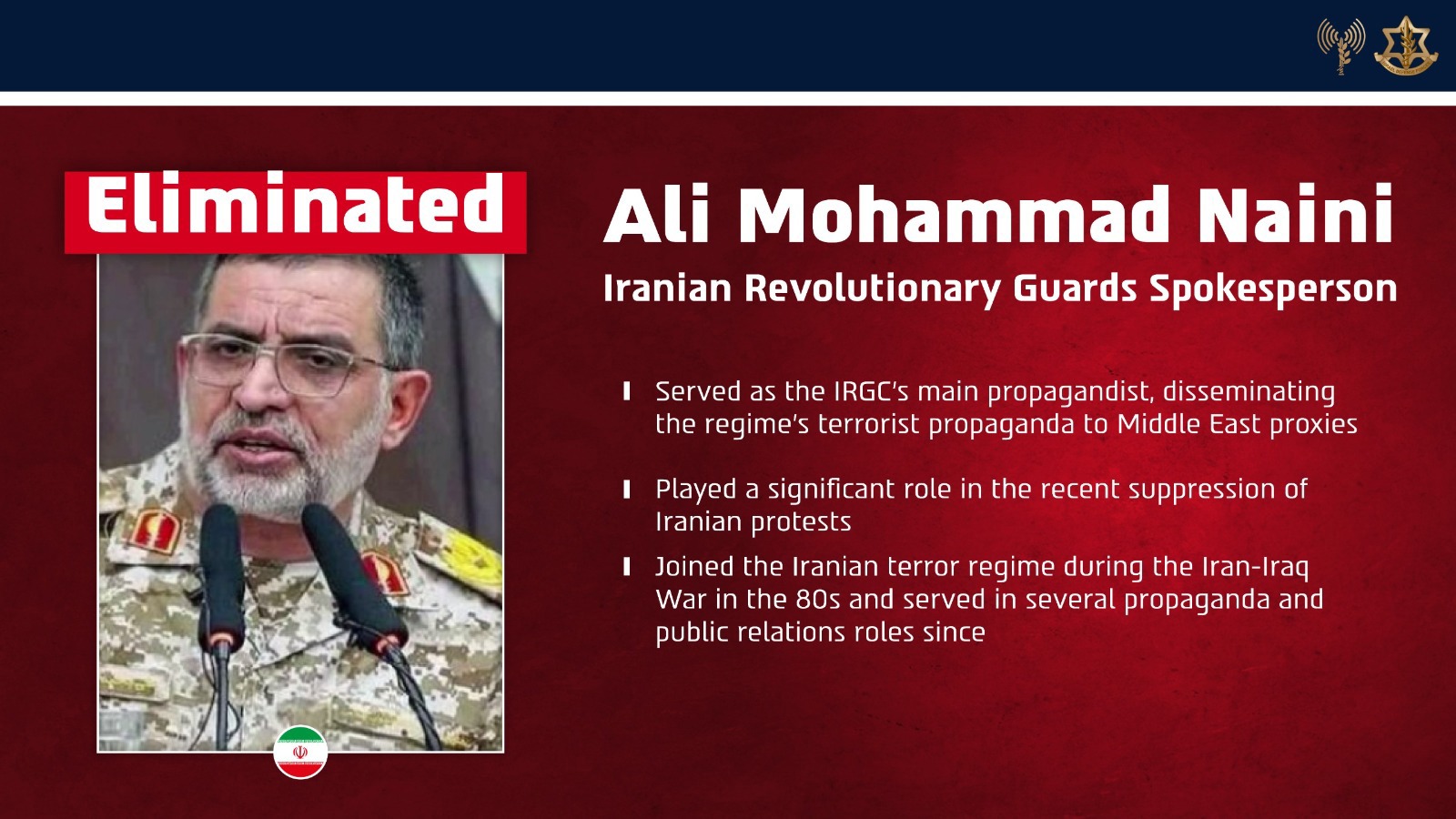
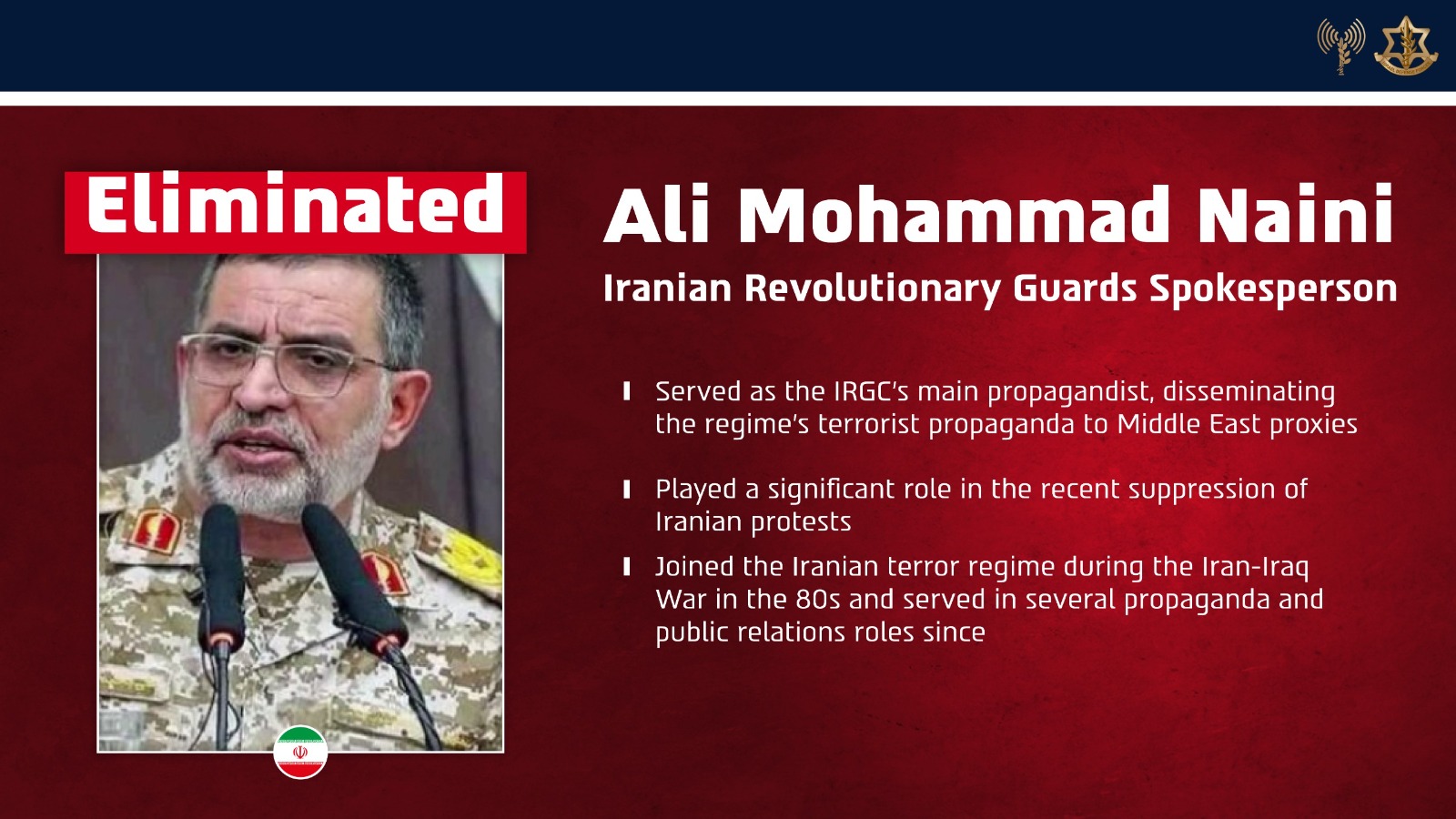
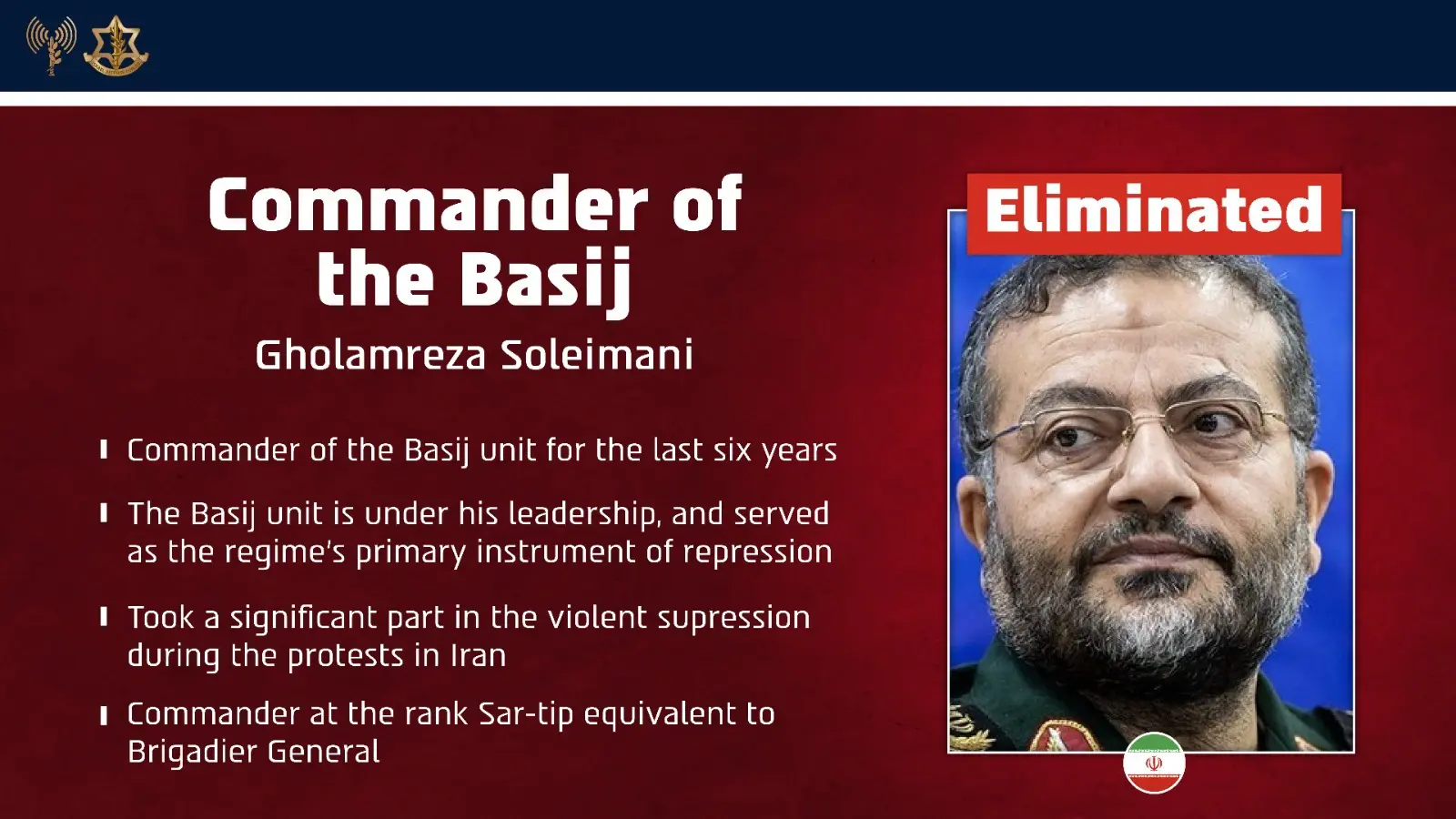
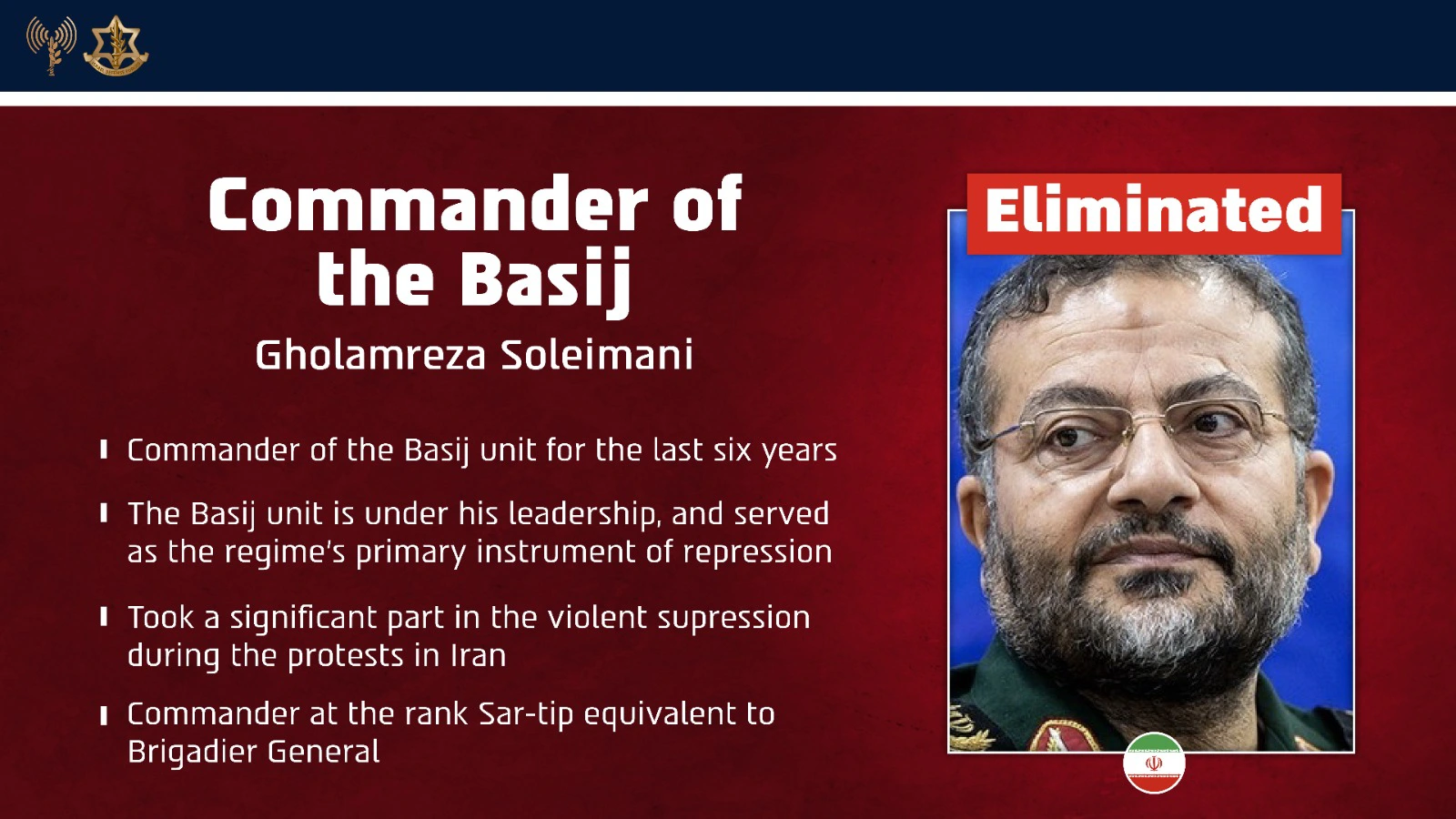
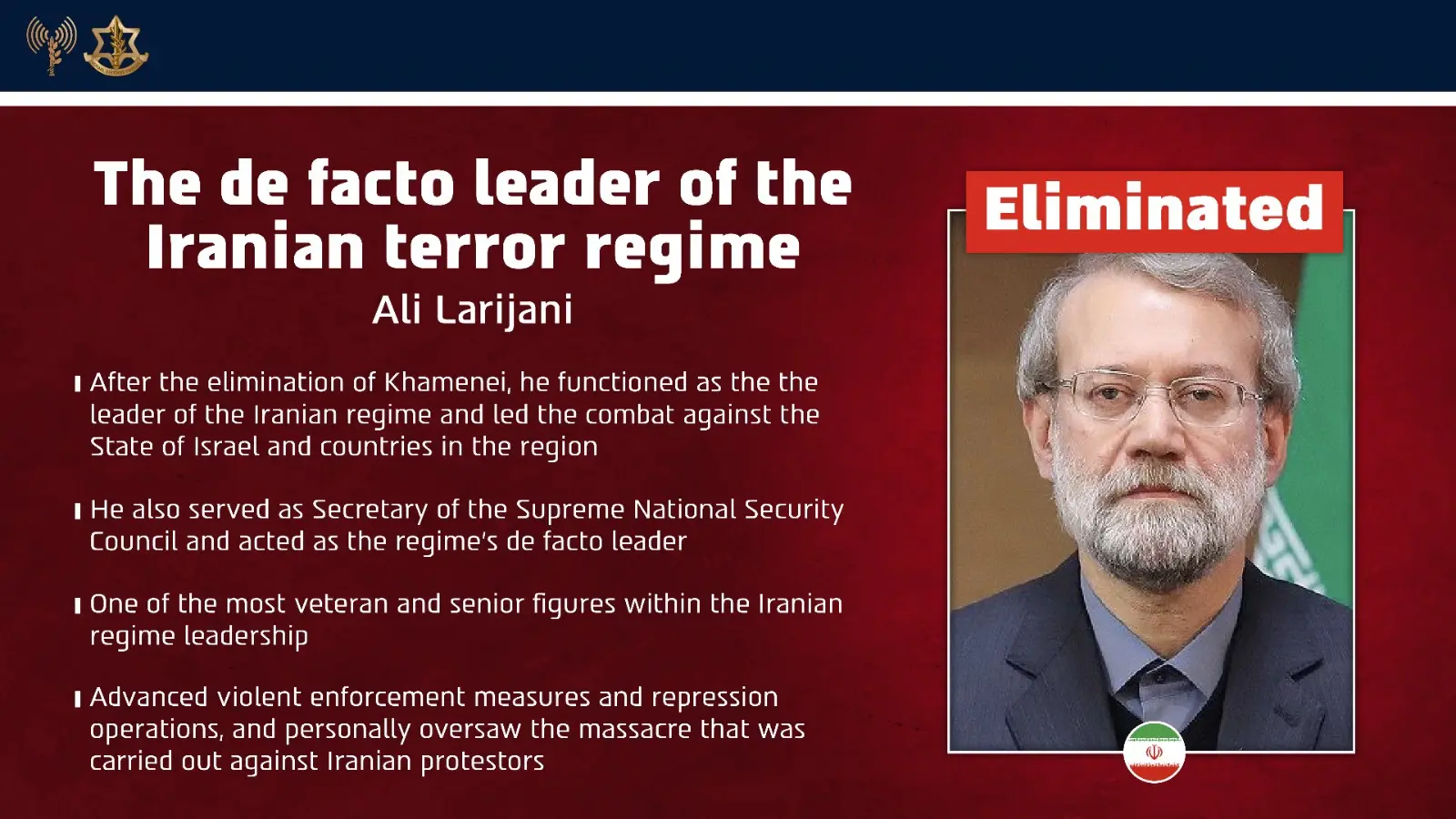
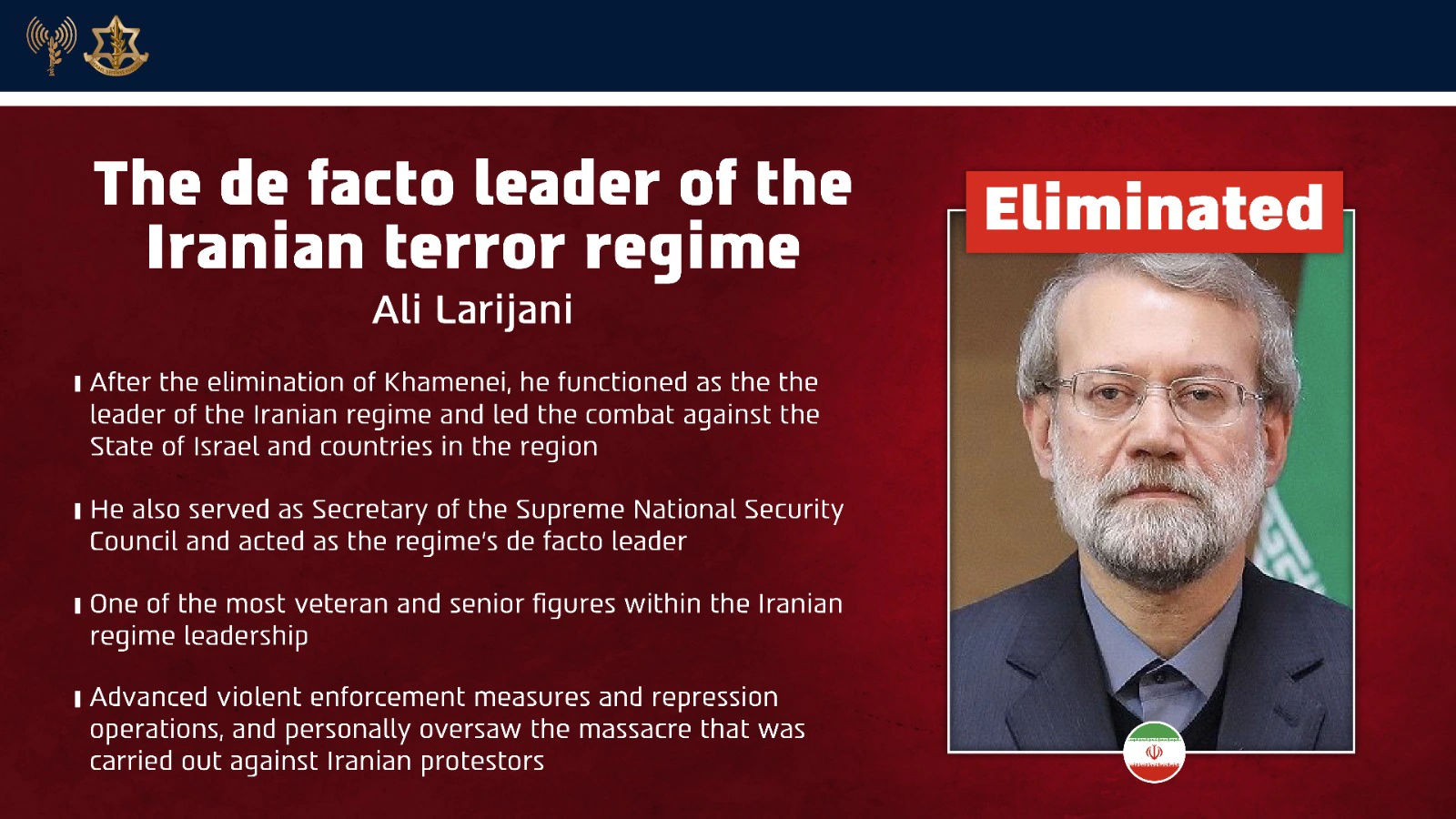
A significant blow was delivered early in the week when the IAF struck the main headquarters of the IRGC Navy, located within a large military complex in eastern Tehran. This facility had long been used to plan and promote terror operations against Israel and other countries in the region. In a separate first, IDF forces also struck Iranian missile ships in the Caspian Sea.
Iran’s ballistic missile array was also significantly damaged, with strikes targeting production and development sites. Additional strikes focused on launch systems, including five strikes carried out within seconds in western Iran.
Following the elimination of the Imam Hussein Division’s leadership the previous week, its newly appointed commander in Beirut was also eliminated–just one week after assuming the role.
In southern Lebanon, the IDF carried out strikes against fuel stations operated by the Hezbollah-controlled “Al-Amana” company, a key financial asset for the organization.
On the ground, Division 36 began focused operations in southern Lebanon, while Division 162 completed preparations for activity in the sector after two years of combat in Gaza. By that stage, over 2,000 Hezbollah targets had been struck, and more than 750 Hezbollah operatives had been eliminated.
Week 4:
In the fourth week, ground operations in southern Lebanon intensified further, with dozens of Hezbollah operatives eliminated. Notable events included the elimination of eight operatives by a Golani Brigade task force, the capture of two armed Radwan Force operatives by Givati Brigade troops, and the arrest of a cell commander from the “Lebanese Brigades” by Egoz Unit soldiers–an organization funded by Hezbollah.
At the same time, the IDF continued targeting the core systems and infrastructure of the Iranian regime, including sites used for the production of cruise missiles, Iran’s primary facility for manufacturing missiles and naval mines, and the IRGC’s central security headquarters. This headquarters was embedded within civilian infrastructure and was used to coordinate regional units responsible for enforcing regime control and internal security.
One of the most significant achievements of the week was the elimination of all three primary IRGC service commanders. The IDF eliminated the commander of the IRGC Navy and the head of its naval intelligence, joining previously eliminated senior figures including Amir Ali Hajizadeh, commander of the IRGC Air Force, and Mohammad Pakpour, commander of the Ground Forces.
The operation is still ongoing at high intensity. So far, more than 800 Israeli Air Force strike sorties have been carried out using approximately 15,000 munitions, over 2,000 regime personnel and commanders have been eliminated, and more than 4,000 targets have been struck.
